 Go to LE DELAS Rungis website
Asian ingredients, soy sauce, teriyaki, yuzu juice, tofu...
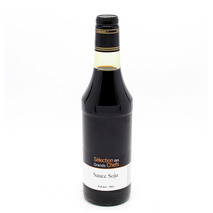
Soy sauce 50cl SÉLECTION DES GRANDS CHEFS
This soy sauce, produced through a carefully controlled fermentation process, is characterised by its light brown colour and a distinctive, rich and intensely savoury flavour profile. Delas has selected this product for its versatility: far beyond its traditional use in Asian cuisine, it has established itself as an essential ingredient in Western kitchens. It enhances flavours, adds body to your sauces and effectively replaces salt for a touch of originality.
Culinary uses and preparation:
This condiment is a valuable tool for building your dishes:
► Asian cuisine: Essential for serving with spring rolls, sushi or to enhance your rice dishes and stir-fries.
► Western cuisine: Incorporate it into dressings, cooking juices, or use it to glaze meat and poultry, adding a caramelised and umami note.
► Technique: It is an excellent substitute for salt whilst adding extra depth of flavour to your stocks and soups.
► Storage: As this is a long-life product, it is recommended that you store it in a cool, dry place. Once opened, ensure you place the container in the fridge.
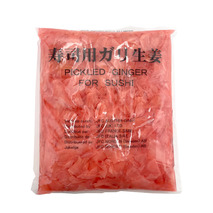
Gari shoga pink bag 1kg
Gari shoga pink is ginger marinated in a mixture of rice vinegar, sugar and salt. Inseparable in France from sushi, maki and sashimi dishes, it is offered in order to "cleanse" the palate between the different types of fish and to enhance the flavors.
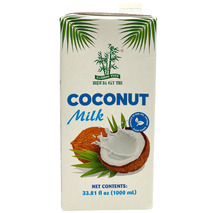
Coconut milk 1L
Coconut milk is made from grated coconut pulp mixed with hot water, then filtered. Its mild, creamy flavour makes it an ideal ingredient for many culinary preparations: creamy sauces for meat or fish, Thai curries, soups like Thai coconut milk and prawn soup, for example. Coconut milk also adds an original flavour to desserts, such as crème brûlée, panna cotta or ice cream. Finally, coconut milk can be used to make refreshing and original drinks, such as a mango and coconut milk smoothie or, of course, a Piña Colada. It replaces cow's milk in all preparations for people with lactose intolerance. This versatile ingredient brings a touch of the exotic to the menus of catering professionals.
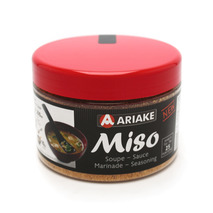
Miso powder 250g ARIAKÉ
A 100% natural miso powder, faithful to the traditional Japanese recipe, enhanced with bonito shavings for a slightly salty touch.
This extremely versatile product can be used as a base for soups, sauces, but also as a seasoning for all types of dishes instead of salt and pepper.
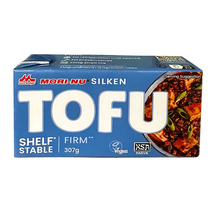
Firm tofu (blue) 307g MORINAGA
A firm, silky tofu for Asian and vegetarian cuisine.
This firm tofu, presented in Mori-Nu's iconic blue packaging, is a premium-quality product distinguished by its smooth, silky yet remarkably dense texture. Made from selected soya beans and enriched with isolated soya protein, it offers a firm consistency that holds up perfectly to handling and cooking without crumbling. Its neutral, delicate flavour makes it an excellent base for flavours, capable of absorbing marinades, stocks and sauces. It is an ingredient of choice for chefs in Asian, fusion or vegetarian cuisine seeking consistency.
Professional uses, preparation and storage:
► Culinary applications: Its firm yet velvety texture opens up a wide range of culinary applications. It is ideal for cutting into regular cubes and adding to traditional soups (such as miso soup), ramen broths or vegetable curries. Its firm texture also allows it to be gently stir-fried in a wok with vegetables, grilled on a hotplate after marinating, or incorporated into Asian-inspired mixed salads. In plant-based cooking, it can also be blended to serve as a creamy base for sauces, tart fillings or vegan desserts.
► Preparation: Ready to use after opening and a quick drain, this tofu fits easily into last-minute preparations or high-volume set-ups. Its consistent sizing ensures precise portioning.
► Storage: Packaged in high-tech aseptic packaging that preserves all its nutritional and organoleptic qualities, this product offers excellent shelf life at room temperature before opening. Once opened, store in a cool place at 0°C to +4°C and consume promptly.
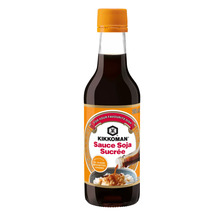
Sweet soy sauce 25cl KIKKOMAN
This sweet soy sauce, produced using traditional brewing methods, is distinguished by its syrupy texture and exceptional sheen. Selected by Le Delas from Kikkoman, it offers a delicious balance between the natural saltiness of the soy sauce and the sweetness of the sugar, enhanced by a touch of wine for aromatic complexity. It is a key technical ingredient for professionals wishing to add a touch of umami and controlled caramelisation to their dishes.
Gastronomic applications, use and storage:
► Culinary applications: Much more than just a condiment for sushi, this sauce is ideal for glazing meats (duck, pork, chicken) and oily fish such as salmon or eel. It also serves as a base for Teriyaki marinades or to add depth to Asian-inspired vinaigrettes.
► Technical benefits: Its high sugar content ensures an even coating and an immediate golden colour when cooking on a griddle or in a wok. It adheres perfectly to food, making it an excellent choice for brushing on at the end of cooking.
► Use: Ready to use. Its viscosity allows for precise measurement and an even coating of the pieces to be grilled. For catering chefs, it is a key ingredient for stabilising yakitori skewer sauces thanks to its binding properties.
► Storage: Store in a cool, dry place away from light before opening. Once opened, it is recommended to keep the bottle in the fridge to preserve the freshness of its soy and yeast notes, and to ensure the stability of its texture.
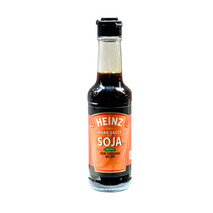
Soy sauce glass bottle 15cl HEINZ
The essential seasoning to add an umami flavour and instant shine to your Asian and fusion dishes.
Product description:
Heinz Soy Sauce is a well-balanced blend combining the depth of fermented soya beans with a subtle sweetness from molasses. Presented in an elegant 150ml glass bottle, it has a smooth texture and an intense amber colour, ideal for glazing and seasoning. Delas has selected this ‘serving' size for its practicality both in the kitchen and at the table, ensuring optimal preservation of flavours thanks to its glass packaging. This sauce stands out for its versatility, offering an aromatic profile that enhances flavours without overpowering them.
Culinary uses, preparation and storage:
This product is a valuable ally for speed of preparation in catering:
► Woks and stir-fries: Add a dash at the end of cooking to bind your vegetables, meat or prawns, providing both the necessary salt and a beautiful caramel colour.
► Marinades and Glazes: Its high carbohydrate content (58 g per 100 g) promotes perfect caramelisation when cooking pork ribs, chicken fillets or teriyaki salmon.
► Table condiment: Its 15 cl size is ideal for serving directly to customers in the dining room to accompany sushi, sashimi or rice bowls.
► Use: Ready to use. The glass bottle ensures clean handling and precise measurement.
► Storage: Store at room temperature before opening. Once opened, the sauce retains its organoleptic qualities for 8 weeks.
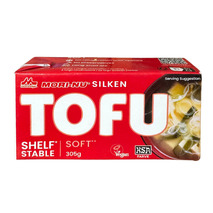
Soft tofu (red) 305g MORINAGA
Very popular with lactose intolerant people, vegans and followers of low-calorie cuisines, silken tofu replaces butter or even cream in certain preparations such as truffles, ganaches, cream cheese preparations... Be careful, however, because its texture does not behave like that of cream.
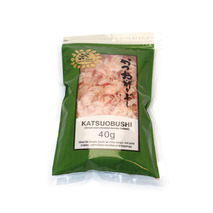
Dried and smoked bonito flakes Katsuobushi 40g WADAKYU
Bonito flakes are one of the main ingredients in japanese recipes. After being slightly shaved, they are fermenated, then smoked and dried, which provides them a special flavor. These flakes forms basis for soups (such as miso) udon, dashi, or whatever you can think of(noodles, toppings...).
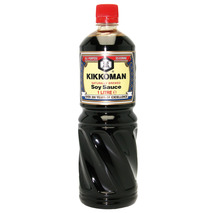
Kikkoman soy sauce 1L KIKKOMAN
Kikkoman soy sauce is renowned for its authentic and balanced taste and is characterized by a beautiful transparent amber brown color. It is made according to a traditional recipe using four all-natural ingredients: soybeans, wheat, water and salt.
Essential for the preparation of Asian dishes, soy sauce is also used on the table (as a condiment) or to flavor and/or salt any type of dish.
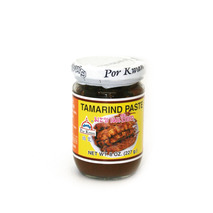
Tamarind paste jar 227g POR KWAN
Acidic and sweet at the same time, tamarind is widely used in Asian cuisines (Indonesian, Thai or Cambodian in particular). Tamarind paste must be relaxed before use, usually with water, lemon juice, nuoc mam or rice vinegar. Among other things, it flavors sauces, broths, stews and vegetables.
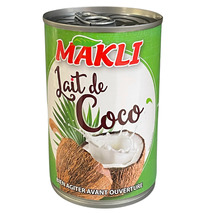
Organic liquid coconut milk 400ml
The coconut milk obtained has a beautiful creamy white colour and a characteristic coconut flavour, with no bitterness or foreign odours. It is particularly appreciated for its rich flavour and fluid texture, without excessive thickening. It is ideal for Asian cuisine, pastries and exotic dishes.
Culinary uses for this ready-to-use coconut milk:
► Thai curry, bo bún, Asian soups ► Coconut milk rice, tapioca, tropical entremets ► Homemade ice creams, smoothies, creamy sauces ► Vegetable substitute for cream in vegan recipes.
Shake well before opening.
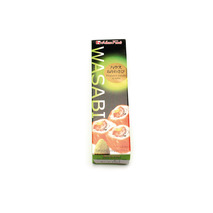
Wasabi tube 43g HOUSE FOODS
Inseparable in France from sushi, maki and sashimi dishes, wasabi is a root very similar to horseradish. Its green color and very pungent taste are characteristic.
Used in the production of sushi (between fish and rice) wasabi is generally served with plates of sushi, maki and sashimi.
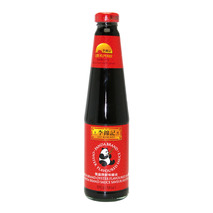
Panda sauce 510g LEE KUM KEE
This sauce with high quality oyster extracts is a seasoning sauce with a very pronounced taste and is very suitable as a mixture for dips, sauce bases or to accompany fried or steamed dishes.
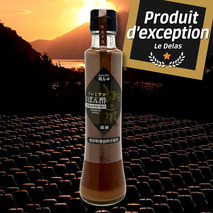
Japanese ponzu sauce with sesame pot 30cl KAKUIDA
This sesame ponzu is made from 3-year-old black vinegar. It combines the acidity of black vinegar with the creamy flavour of sesame. It can be used as a condiment or as a marinade for fish, chicken, beef and pork.
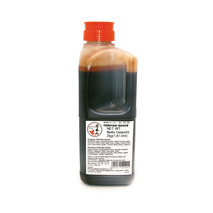
Teriyaki sauce 2kg NIPPON SHOKKEN
For glazing meat and fish, this Japanese condiment flavors and gives shine. The strong point of this Nihon Shokken teriaki sauce: a single layer is enough to give shine for a long time. It can be used cold or hot on meats, salmon, noodles, grilled vegetables and even fries. In Japanese, Teri means Ice cream and Yaki grill. It's an all-in-one condiment that can be used as a glaze, topping, decoration or dip.
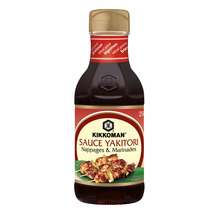
Kikkoman yakitori sauce 25cl KIKKOMAN
For grilling and skewers, this thick and tasty sauce is used to marinate meat, poultry or fish before grilling them, in the oven or on the barbecue for example. For a shiny and appetizing result, it is important to brush the products regularly during cooking.
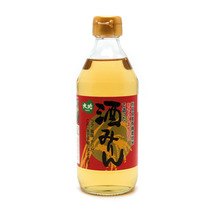
Mirin bottle 360ml
Mirin is a staple of Japanese cuisine. Syrupy and subtle with notes of fermented rice, it is produced from organic akitakomachi rice. Its taste is sweet, subtly fruity and long in the mouth. It brings sweetness and roundness to sauces, breaks the acidity and bitterness of a dish, and allows meat to be deglazed.
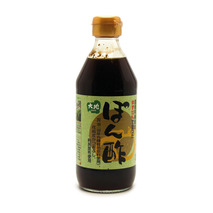
Ponzu yuzu and sudachi Sennari sauce bottle 360ml
With a very nice acidity linked to the use of sudachi, fresh and rich in umami, this ponzu is very easy to use. It combines soy sauce, dashi and sudashi (Japanese citrus fruit). This version includes 4.8% dried bonito (produced in Makirazaki). Its taste is both fresh, deep and rich in umami. It goes very well with European cuisine, in a salad dressing, with raw scallops, white fish, vegetables, fatty meats...
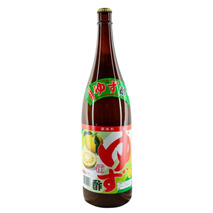
Yuzu juice 1.8L JA HIGASHI TOKUSHIMA
We have selected for you this yuzu juice, an exceptional Asian citrus fruit grown in Japan by a cooperative of 400 small farmers. Tokushima, Japan's second-largest producer after Kochi, is renowned for the quality of its yuzu, appreciated by top chefs for its perfect balance of acidity and sweetness. The Tokushima region is bursting with incredible citrus fruits that grow there naturally. These are pure citrus juices, with no additives, and ecology has been at the heart of the JA company's concerns ever since.
Yuzu juice is characterised by a subtle fragrance somewhere between tangerine and citron. This intense fragrance and its lovely acidity make it an ideal ingredient for adding depth to your seasonings. Use it in vinaigrettes, marinades, sushi vinegar and much more. You can also make homemade ponzu by mixing yuzu juice with a little soy sauce and vinegar.
Our yuzu juice can replace lemon juice to add a unique and original flavour to your dishes, desserts, sauces, cocktails, marinades, dressings, soups and Japanese dishes. Try a yuzu hollandaise sauce, a yuzu gin and tonic, a yuzu lemon tart, a yuzu mousse or chantilly, a yuzu and olive oil vinaigrette, a yuzu miso soup, a yuzu fish ceviche...
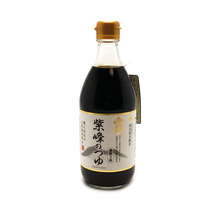
Tsuyu soja and dashi sauce bottle 500ml
This artisanal, additive-free sauce has a smooth, smoky, deep, umami-rich taste. This soy sauce powerfully expresses the aroma of smoked bonito. Ready to use, tsuyu combines two key ingredients of Japanese cuisine: soy sauce and Japanese "dashi" broth (dried bonito, dried mackerel, dried auxis, kombu), sugar, mirin and salt. It perfectly enhances your soups, marinades, grilled fish, tempura...
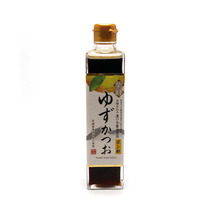
Ponzu yuzu Shibanuma sauce bottle 300ml
This ponzu combines soy sauce, dashi and yuzu. It has a very good balance between the acidity and the power of the yuzu with the umami of the soy sauce and the dashi. Its very aromatic taste, both fresh, deep and rich in umami. Ponzu is very easy to use because it fits very well into European cuisine. It accompanies your salad dressings, raw scallops, white fish, vegetables, fatty meats...
Hand pressed yuzu juice bottle 100ml
Yuzu is a Japanese citrus weighing around 100g, with yellow skin and a unique aroma between mandarin and citron. This pure, hand-pressed, non-pasteurised juice retains all the properties and flavour of the fresh fruit. It can replace lemon in many preparations: sorbets, fruit salads, cocktails, sauces for fish or seafood.
Culinary uses:
Perfect for flavouring desserts, drinks, sauces and savoury dishes. Adds a delicate citrus note to your recipes.
Preparation and storage advice:
► Use like lemon juice to season or flavour sweet and savoury dishes.
► Store in a cool, dark place.
► Once opened, refrigerate and consume quickly.
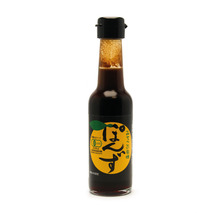
3 citruses ponzu sauce bottle 150ml MICHOKONO
Very fresh, very marked on citrus, this ponzu has a subtle aroma. It combines soy sauce, dashi and a Japanese citrus. There is also often a little vinegar or mirin. This ponzu is made with organic ingredients: dark soy sauce (soya, wheat), vinegar, yuzu, sudachi and yuko juice, sugar, mirin. Its taste is both fresh, deep and rich in umami. Integrating very well into European cuisine, it will accompany your salad dressings, raw scallops, white butter sauces, fatty meats, avocados, asparagus, artichokes...
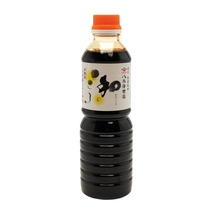
Soja yagisawa sauce (less salted) bottle 500ml
This artisanal and natural soy sauce is produced with a reduced amount of salt. It is composed of defatted soy, wheat, salt, glucose-fructose syrup, soy, alcohol. Its balanced taste will allow daily use both during cooking and seasoning (simmered dishes, roast chicken, salad dressings, raw vegetables, etc.).
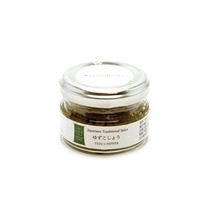
Green kosho yuzu jar 50g KABOSU HONKE
From Beppu, Kyushu department in southern Japan, this salty and powerful condiment brings a nice balance between green chilli (kosho) and the freshness of yuzu, without bitterness. It enhances seasonings, marinades, sauces... It is eaten as an accompaniment to grilled or poached fish, grilled white or red meat, shellfish, smoked salmon, mixed salads, vegetables, fish or beef or veal tartars...
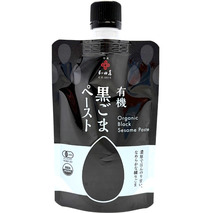
Black sesame pure paste gourd 80g WADAMAN
This pure black sesame paste is made by a Japanese company that has existed since 1883 using ancestral know-how. Made exclusively from black sesame seeds, it offers many nutritional benefits (iron, vitamins, antioxidants, etc.) and gives your dishes a fragrance, color and intense, sweet, roasted flavor with a peanut taste. , without bitterness. It is used in marinades, vinaigrettes or sauces for your meats or vegetables. It can be diluted in mashed potatoes and soups. It is also delicious in sweet recipes (pastry cream, cakes, flans, rice pudding...), or simply on toast with honey.
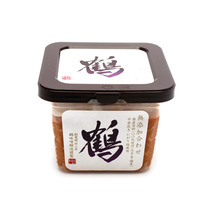
Soja and barley miso tub 500g
Whole barley grains give this miso (fermented cereal dough) a pleasant texture. Without additives, it has a deep, salty and umami-rich taste. It is used to make miso soups or to marinate meats and vegetables. It is also delicious diluted in mashed potatoes or soups…
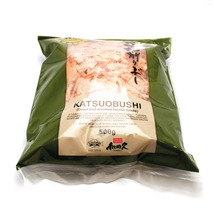
Dried and smoked bonito flakes Katsuobushi bag 500g WADAKYU
The katsuobushi is made of dried, fermented and smoked bonito flakes, 100% skipjack tuna. Rich in natural inosinate, it develops a very rich umami flavor and is used as a topping on hot dishes or to make a "dashi" broth. Add 20g of bonito flakes in 500ml of water just before boiling, cook for 1 minute. Turn off the heat and let the flakes come down for 2-3 minutes, then strain. You can reuse the bonito 24 hours to make other preparations.
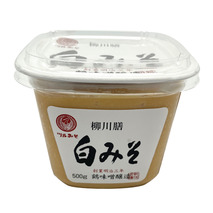
White miso (soy pasta) 500g
White miso is a shorter fermented miso which have a lower salt content then the other miso. The shiro miso color can get darker due to its natural aging but that does not alter its flavor. Its taste is soft, lightly salted, very umami.
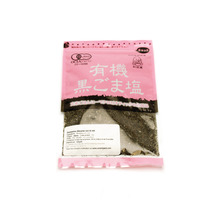
Gomashio (black sesame and salt) bag 50g
The gomashio makes it possible to lightly salt with a powerful aroma of toasted sesame. Its name is formed from goma "sesame" and shio "salt", in Japanese. It is an integral part of Japanese culinary traditions. It is used in many recipes, on rice, vegetable gratins, meat, fish such as tuna rillettes, on pumpkin soup, but also on mozzarella or desserts.
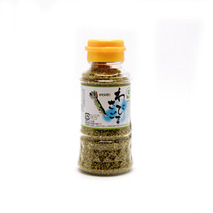
Sesame grilled seed and wasabi bottle 80g
These roasted sesame seeds are coated in wasabi. They bring color and a slight spiciness, in decoration and seasoning of meat and fish such as salmon, but also salads and soups.
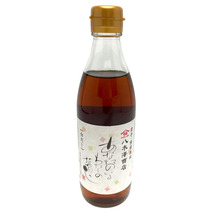
Liquid concentrated Dashi 360ml
Dashi, a Japanese broth of kombu and dried bonito, is the essence of umami in Japanese gastronomy. Liquid and concentrated, this artisanal dashi brings roundness and umami. Perfect for touching up broths and seasonings, it can also be used in cooking rice or vegetables. Its recommended dilution is 1 for 17 volumes.
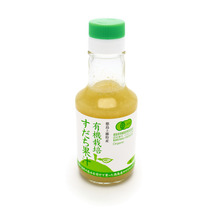
Organic sudachi juice bottle 150ml
Japanese citrus fruits yuzu, sudachi are grown between 300 and 400 meters above sea level in the Tokushima department (Shikoku island, Japan). Unpasteurized, this juice retains all the properties and taste of fresh fruit. Its more acidic flavor than yuzu. It can be used like lemon juice in your savory or sweet preparations, sorbets, fruit salads, cocktails... It goes perfectly with your sauces to accompany fish and seafood.
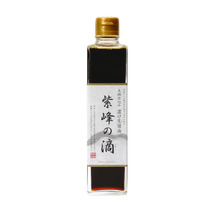
Unpasteurized Shiho no Shizuku soy sauce 300 ml
This high quality soy sauce is unpasteurized. Its taste is deep, long, round in the mouth and very rich in umami.
If it can be used in all your preparations instead of salt, we will favor its use as a final touch (sushi, sashimi, salad dressings, etc.) rather than in cooking for a product of this quality.
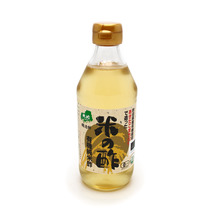
Pure organic rice vinegar 360ml
With a nice acidity and a good taste of rice, this vinegar can replace cider vinegar and marinate fish such as mackerel for example.
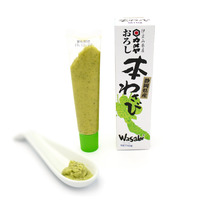
Shredded pure wasabi paste tube 42g
Elevate your culinary creations with this pure wasabi paste, an exceptional product sourced directly from the foot of Mount Asagi, a rainy region with rich soil on Japan's Izu Peninsula. Unlike standard products, this wasabi is guaranteed to be horseradish-free, offering the grated texture and aromatic complexity unique to true Wasabia japonica. For restaurateurs and chefs, this convenient tube format allows for precise use and saves time while preserving the power of umami. Its spiciness, both lively and fleeting, envelops the palate with roundness without masking the delicacy of the ingredients. Ideal for enhancing raw fish, sashimi or soba noodles, this pure wasabi also elegantly accompanies exceptional red meat or grilled eel, as well as cold tofu "Hiyayakko" and "Ochazuke", a bowl of rice topped with hot water or green tea. By choosing this product from food wholesaler Le Delas, you can guarantee your customers an authentic Japanese sensory experience, the result of rigorously selected traditional expertise.
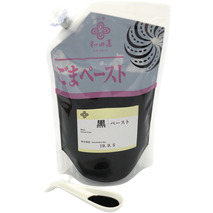
Pure black sesame paste doypack 1kg
This pure black sesame paste is made by a Japanese company that has existed since 1883 using ancestral know-how. Made exclusively from black sesame seeds, it offers many nutritional benefits (iron, vitamins, antioxidants, etc.) and gives your dishes a fragrance, color and intense, sweet, roasted flavor with a peanut taste. , without bitterness. It is used in marinades, vinaigrettes or sauces for your meats or vegetables. It can be diluted in mashed potatoes and soups. It is also delicious in sweet recipes (pastry cream, cakes, flans, rice pudding...), or simply on toast with honey.
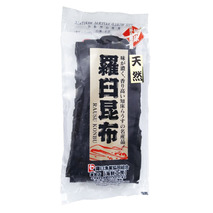
Kombu rausu 150g
The very fragrant leaves of this seaweed from the Shiretoko peninsula in Japan make it a powerful herb. They make it possible to make subtle and umami-rich broths such as dashi and can be used in Japanese fondues, soups or eaten fresh.
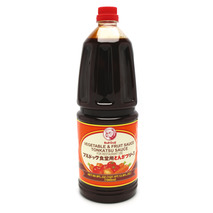
Vegetable and fruits Tonkatsu sauce 1.8L BULL-DOG
Tonkatsu sauce is mainly used to accompany tonkatsu, a Japanese dish of breaded and fried pork. However, it can also be used as a condiment or side sauce for a variety of fried dishes such as fried prawns, potato croquettes, breaded chicken or beef cutlets, and even as a marinade for these meats before cooking. Its balanced sweet, salty and tangy flavour makes it a delicious addition to a wide range of fried dishes.
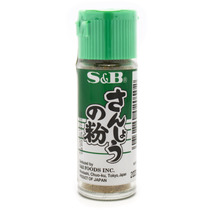
Japanese Sansho pepper 8g
A premium Japanese spice offering an electrifying, citrusy aromatic profile.
This Sansho pepper powder, sourced from Japan and carefully selected by Le Delas, is a rare spice prized by chefs for its unique sensory complexity. Far from a conventional pepper, it stands out for its intense notes of lemongrass and yuzu, complemented by a refreshing, slightly numbing tingle on the palate, adding a technically sophisticated dimension to your dish presentations.
Professional uses, preparation and storage:
► Culinary applications: A must-have for grilled eel (Unagi), it also enhances scallop carpaccio, poached white meats or dashi broths. In pastry, its powerful aroma creates striking contrasts with dark chocolate or exotic fruit sorbets.
► Use: To be used exclusively as a finishing touch to preserve the volatility of its essential oils; a pinch is enough to transform a dish's flavour profile. Its fine powder form allows for even distribution and optimal precision in measurement for meticulous plating.
► Storage: Packaged in a small format to ensure maximum freshness, this pepper should be stored away from moisture and light to maintain the intensity of its organoleptic properties.
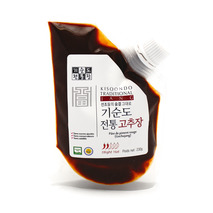
Korean red pepper paste (gochujang) doypack 230g KISOONDO
Gochujang is a harmonious blend of spicy flavors of chilli, sweet glutinous rice syrup and savory soy sauce, made without added sugar or additives. Its fermentation lasts 1 to 2 months. Master KI adds to the basic recipe her soy sauce that makes its color and flavors deeper.
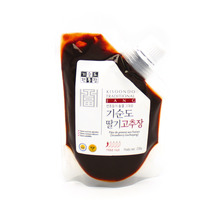
Korean red pepper paste with strawberries (gochujang) doypack 230g KISOONDO
Gochujang is a harmonious blend of spicy flavors of chilli, sweet glutinous rice syrup and savory soy sauce, made without added sugar or additives. Its fermentation lasts 1 to 2 months. In this sweeter and greedy variation, Maître KI adds strawberries that significantly reduce the spicy taste of Gochuang and give it a sweet and smooth taste.
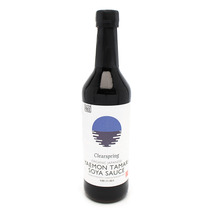
Organic yaemon tamari soya sauce double strength gluten free 500ml CLEARSPRING
This Yaemon Tamari Double Strength Soy Sauce embodies the essence of Japanese umami with a beautiful aromatic complexity.
It is produced in Japan by the renowned Yaemon family, who have been perfecting the art of tamari brewing since 1871, using a 500-year-old ancestral recipe. It is a premium, gluten-free product that stands out for its double concentration (using twice as many whole organic soybeans). It offers a rich, smooth and balanced umami profile, without the overly aggressive notes found in traditional soy sauces.
Le Delas promotes this sauce in order to offer professionals a superior quality Tamari with a long tradition of craftsmanship. It has become a best-seller in our Asian section.
Culinary uses and benefits:
Ideal for enhancing the flavour of dishes while providing a gluten-free option for your customers, it is essential for:
► Accompanying sushi and sashimi.
► Creating deep marinades.
► Adding the finishing touch to salad dressings, sauces, stir-fries and cooked vegetables.
Production: The long, slow ageing process over two summers in cedar barrels gives this Tamari a unique aromatic complexity.
Quality: This premium product embodies Japanese authenticity and expertise, ensuring exceptional flavour in all your creations, whether traditional or modern (fusion).
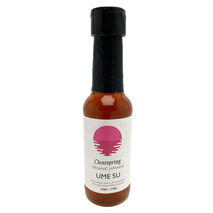
Organic ume plum seasoning with red shiso perilla leaves 150ml CLEARSPRING
This traditional Japanese seasoning, also known as ‘Ume Su', is produced through the natural fermentation of umeboshi plums with red shiso leaves. Certified organic, it is characterised by a complex flavour that is both tangy, like vinegar, and naturally salty, imparting a unique umami depth. Selected by Le Delas for its authenticity and exemplary composition—free from added sugars and artificial additives—this condiment is an essential technical ingredient for chefs specialising in fusion or plant-based cuisine.
Professional uses, preparation and storage:
► Culinary applications: This versatile condiment is ideal for enhancing sauces, dips, vinaigrettes and vegetable marinades. It can also be used to add a surprising tangy and salty note to cocktails or for quick pickling of root vegetables and early-season produce.
► Additional retail sales: Its 150ml glass bottle and organic certification make it a product perfectly suited to the delicatessen section of butchers, charcuteries and caterers wishing to offer authentic Japanese flavours to their customers.
► Use: Due to its natural saltiness resulting from fermentation, it is advisable to use it sparingly. It can replace both salt and vinegar in many hot or cold dishes.
► Storage: Before opening, the product should be stored in a cool, dry place, ideally between 10°C and 25°C, away from direct light. After opening, ensure the bottle is tightly closed and use it before the best-before date to preserve the vibrancy of its aromas and its natural ruby colour.
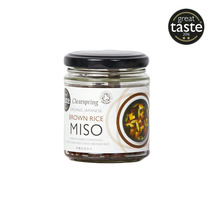
Organic brown rice miso 150g CLEARSPRING
A vibrant, unpasteurised flavour enhancer offering a deep umami profile.
This organic brown rice miso, crafted in Japan using traditional methods, is a fermented ingredient of great aromatic richness, selected by Le Delas. Unlike industrial versions, this miso is unpasteurised, thus preserving its active enzymes and its ‘living' character. Its balanced composition of whole soya beans and whole brown rice gives it a dark colour and earthy, malty notes, ideal for chefs seeking authentic, certified organic ingredients.
Professional uses, preparation and storage:
► Culinary applications: A true staple of fusion and Japanese cuisine, it is used to add depth to stocks, soups or stews. It is excellent as a base for marinades for grilled meat and fish, or for making sauces, complex vinaigrettes and compound butters. Its aromatic depth also allows you to create glossy, flavourful glazes on roasted vegetables.
► Preparation: To preserve its enzymatic properties and the subtlety of its aroma, it is advisable to add it at the end of cooking, having first diluted it in a little hot liquid, without bringing it to a prolonged boil.
► Storage: Store in a cool, dry place. As this is a live product, residual fermentation is natural. Once opened, it should be kept refrigerated and can be used for several months. If a thin white film (harmless surface yeast) appears on contact with the air, simply remove it before use.
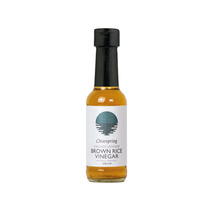
Organic brown rice vinegar 500ml CLEARSPRING
The full-bodied yet gentle character of this classic vinegar from Japan's southern island of Kyusyu makes it a joy to use wherever tartness is needed. Its exquisite quality comes from using organic brown rice and the centuries-old method of slow maturation. Perfect for sauces and salad dressings. A key ingredient in sushi-making. This vinegar provides a stimulating contrast of flavour that brings almost any food to life. Besides being a mainstay in salad dressings, pickling mixtures and marinades, it also perks up vegetable dishes, sauces, dips and spreads. This vinegar provides a stimulating contrast of flavour that brings almost any food to life.
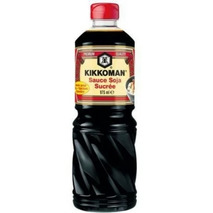
Sweet soy sauce 975ml KIKKOMAN
Le Delas offers you Kikkoman sweet soy sauce in a 975ml bottle, a sure bet... This sweet soy sauce, with its authentic Asian flavours, is perfect for adding a sweet and savoury touch to your dishes. Ideal for marinades, sauces or stir-fries, it adds depth of flavour and umami to your recipes.
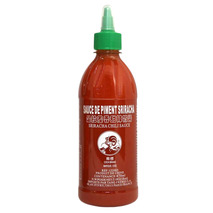
Chilli Sriracha sauce 793g COCK
Sriracha sauce, known for its savoury spiciness, is made by grinding sun-exposed chillies into a homogenous paste, to which garlic is added. Packaged in a handy squeeze format, this chilli sauce is ideal for adding a savoury spicy touch to a multitude of dishes, and just a few drops are enough to enrich the flavour of your culinary preparations.
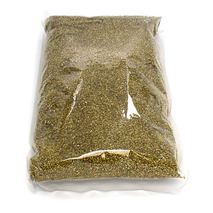
Roasted sesam with wasabi 1kg
Wasabi Roasted Sesame Seeds 1 kg - Spicy Japanese Spice
These roasted sesame seeds in a bag are flavoured with wasabi for a spicy and tangy taste. They are ideal for adding spice, crunch and colour to dishes. We have selected it for Le Delas' Fine Grocery section to offer professionals an original, authentically Japanese culinary aid (Origin: Japan), perfect for chefs who want to add a touch of boldness and umami flavour to their creations.
Organoleptic Characteristics and Culinary Uses:
► Taste: Salty, crispy, with a powerful and pungent note of wasabi.
► Use: A versatile seasoning that can be used to sprinkle on salads, soups and rice bowls, coat meat and fish (especially salmon) before or after cooking, or add a surprise twist to original desserts such as chocolate ice cream or yoghurt.
Storage: Store before and after opening away from light, heat and humidity.
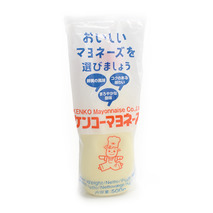
Kenko mayonnaise 500g
This Japanese mayonnaise is a premium product that perfectly combines Japanese tradition with Western creaminess. Its more intense yellow colour comes from the use of a specific grain vinegar. It contains a high proportion of egg yolks (17%), ensuring an ultra-creamy texture and a deep, savoury flavour. Its unique flavour profile is marked by notes of citrus and lemon. Unlike traditional mayonnaises, it offers a slight sweetness and complexity.
Le Delas selected this product because of the need to offer professionals authentic seasoning bases. Kenko allows you to quickly diversify your offering, ensure consistent taste quality and meet the growing demand for Asian flavours in catering.
Culinary uses, preparation and storage
► Culinary applications: its creamy texture is ideal for dressing salads, especially potato salads, and for filling sandwiches and burgers, giving them a distinctive flavour. It is an essential seasoning for typical Japanese dishes such as takoyaki (octopus balls), yakisoba (fried noodles) and okonomiyaki (savoury pancakes).
► Use in sauces: it can be used as a sauce or condiment to enhance fish or beef dishes.
► Storage: this product should be stored in a cool, dry place, away from sunlight. Once opened, it must be kept in the refrigerator (between 5∘C and 10∘C) and consumed within one month.
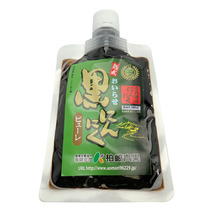
Black garlic paste 80g
The black garlic is a natural product without additives nor preservatives. The cloves undergo a slow caramelization in a controled hot and moist atmosphere. This process makes it perfectly digest, eliminates the inconvenients smells and gives a soft silky texture like preserved fruits. Black garlic is popular for its health benefits.
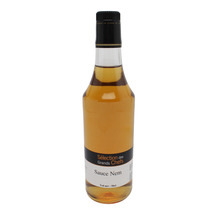
Nems sauce 50cl SÉLECTION DES GRANDS CHEFS
A subtle balance of sweetness and umami for your Asian dishes.
This spring roll sauce, part of the "Sélection des Grands Chefs" range, is crafted using a balanced recipe that combines the depth of anchovy extract (65% Nuoc Mam) with the sweetness of cane syrup and the delicacy of Japanese rice vinegar. Its light brown colour and characteristic fluidity make it an essential condiment for professionals seeking to offer an authentic experience. Designed to enhance flavours without overpowering them, it adds that sweet-and-sour, salty note typical of South-East Asian dishes.
Professional uses, preparation and storage:
► Culinary applications: Although traditionally served with spring rolls, this sauce is extremely versatile. It can be used as a base for Thai salad dressings (such as Bo Bun), as a dipping sauce for spring rolls or steamed dumplings (Dim Sum), and to lightly glaze grilled chicken or pork.
► Preparation: Ready-to-use product. To add a personal touch, chefs can stir in finely grated carrots, finely chopped fresh chilli, crushed garlic or fresh coriander just before serving to enhance its visual appeal and flavour.
► Storage: This product offers optimal stability thanks to its 50cl packaging, making it easy to serve in the dining room or send to the kitchen. Store in a cool, dry place before opening. Once opened, the bottle must be kept in the fridge to preserve the integrity of its flavours.
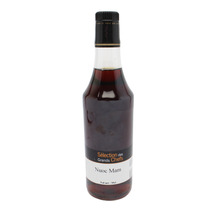
Nuoc mam sauce 50cl SÉLECTION DES GRANDS CHEFS
Nuoc Mam is an essential condiment in Vietnamese, Thai, Cambodian and Laotian cuisines. Made from fish fermented in brine, Nuoc Mam is a sauce with a very pronounced taste that must be measured carefully.
This spicy sauce is usually used in the composition of nem sauces.
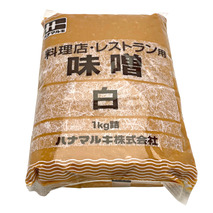
White miso (soy paste) 1kg
Miso is a fermented soybean paste used in soups, sauces and as a condiment. It consists of soybeans, rice, salt, rice yeast and spices. White miso (shiromiso) is less salty than red miso (akamiso) and has a mild, slightly sweet taste.
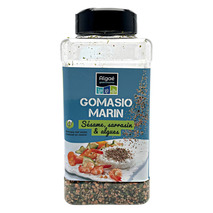
Sea gomasio (sesame, buckwheat and seaweed) tubo 370g ALGAÉ GASTRONOMIE
From Asian tradition, this condiment has many virtues both in terms of health and taste. This mix is perfect for the requested. Fragrant, it is an alternative to salt, to significantly reduce its consumption. Gomasio is very popular, whether in hot dishes, cereals, soups or vegetables, or as a dressing for salads and raw vegetables, as a finishing touch.
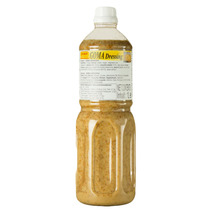
Goma vinaigrette sauce 1L NIPPON SHOKKEN
Sesame-based vinaigrette sauce is the most popular in Japan. It is characterized by its incomparable creamy texture and its powerful sesame taste which comes from the mixture of powdered sesame and sesame paste with the addition of brown sugar, peanut paste and apple juice. It is generally used for salads and raw vegetables (asparagus for example) but can also enhance noodle or meat dishes such as kara-age chicken.
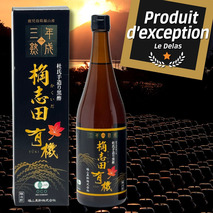
Japanese black rice vinegar 3 years bottle 720ml KAKUIDA
Organic black vinegar aged for 3 years, developing rich, subtle aromas, produced by fermenting organic brown rice and brown rice koji with pure Fukuyama water. This vinegar is distinguished by its dark colour and its richness in amino acids.
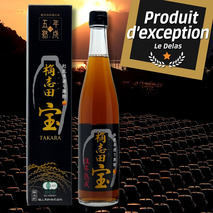
Japanese black rice vinegar 5 years bottle 500ml KAKUIDA
Organic black vinegar aged for 5 years, made from organic brown rice, brown rice koji and pure Fukuyama water. Fermented for over 5 years, it develops rich, subtle aromas. Organically grown, without pesticides or chemicals for over three years.
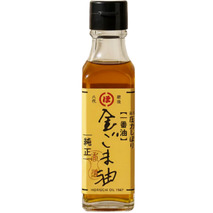
Horiuchi Pure Sesame Oil 105ml HORIUCHI OIL MILL
The excellence of traditional cold-pressing for an intensely aromatic finish.
This artisanal sesame oil, produced by Horiuchi, is the result of rare expertise combining gentle roasting and cold-pressing using the ‘ippan-shimi' method. Unlike industrial oils extracted using heat, this process preserves the seed's full aromatic bouquet, resulting in a crystal-clear amber colour. Its sensory profile is characterised by an exceptional roasted and nutty intensity, coupled with a rounded mouthfeel that lingers without any bitterness. This 105 ml bottle is designed to protect the freshness of this precious nectar, guaranteeing professionals consistent intensity for their most subtle creations.
Professional uses, preparation and storage:
► Culinary applications: A true finishing touch, this pure sesame oil should not be used for frying, but added at the moment of plating to enhance flavours. It adds an immediate umami dimension to a tuna tartare, enhances a ramen broth or elegantly flavours crisp vegetables stir-fried in a wok. It is also ideal for creating fusion vinaigrettes, marinades for white meats or for adding a surprising roasted note to certain desserts made with dark chocolate or pear.
► Use: Just a few drops are enough to transform a dish. Using it at the end of preparation helps preserve the volatile aromas developed during the gentle roasting of the seeds by Horiuchi.
► Storage: Store away from light and heat (≤ 25 °C) to prevent oxidation of the fatty acids. After opening, ensure the cap is tightly closed and consume the product ideally within six months to enjoy its full organoleptic potential.
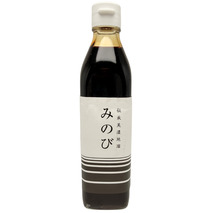
Yamakawa Minobi Gluten-Free Soy Sauce 300 ml YAMAKAWA SOY SAUCE
The rich flavour of an artisanal Tamari aged for 2.5 years in wooden barrels.
This Tamari soy sauce, produced by Yamakawa in the historic Mino region, is an exceptional product resulting from a slow, traditional fermentation process. Aged for 30 months in wooden barrels, it develops a rare concentration of umami, enhanced by elegant woody and toasted notes. Unlike classic shoyu sauces, it is made without any added wheat, giving it a slightly denser texture and an intense dark brown colour. It is a condiment for haute cuisine that perfectly meets the requirements of gluten-free diets without compromising on aromatic depth.
Professional uses, preparation and storage:
► Culinary applications: Its richness in amino acids makes it the ideal companion for enhancing raw ingredients. It excels as an accompaniment to fatty fish sashimi, on silken tofu, or for glazing grilled meat and fish at the end of cooking. In hot cooking, it imparts a deep colour and a powerful flavour to marinades, robust jus and deglazing sauces. Thanks to its 100% soya and rice koji formulation, it is a premium solution for offering gluten-free alternatives on your menus, whilst guaranteeing an artisanal and authentic flavour profile.
► Use: Its aromatic intensity means it can be used sparingly. When plating, its natural viscosity provides excellent hold, ideal for finishing dishes or creating sauce pearls.
► Storage: Before opening, store the glass bottle away from light and heat to preserve the complexity of the ageing process. Once opened, refrigeration is essential to maintain the balance of flavours and prevent any alteration of the woody notes.
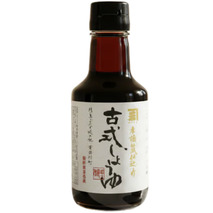
Kaneiwa Artisan Aged Soy Sauce 150 ml YAMAKAWA SOY SAUCE
The depth of an exceptional shoyu brewed in traditional wooden vats.
This artisanal soy sauce, produced by Kaneiwa, is the result of a long, natural fermentation process in traditional wooden vats (kioke). This time-honoured method allows for the development of a complex aromatic profile and an umami of rare intensity. Its deep mahogany colour and nose marked by woody notes bear witness to the brewer's patience. This elegant and practical 150 ml bottle is specifically designed for table service, offering customers a premium sensory experience from the very first drizzle.
Professional uses, preparation and storage:
► Culinary applications: Thanks to its complexity, this shoyu is an indispensable companion for fine ingredients. It instantly enhances white or blue fish sashimi, beef tartare or scallop carpaccio. In the kitchen, it is used sparingly to deglaze a reduced sauce, season a premium marinade or add a caramelised finish to roasted seasonal vegetables. Its rich aroma helps balance flavours without overwhelming the palate with salt.
► Use: For restaurateurs, this 150 ml bottle allows for elegant service directly at the diners' table, thereby highlighting the establishment's commitment to artisanal sourcing. It is recommended to use it cold or at the end of cooking to avoid altering the subtlety of the dried fruit aromas developed during ageing.
► Storage: Before opening, store away from light and heat to preserve the product's balance. After opening, refrigeration is essential to maintain the freshness of the aromatic bouquet.
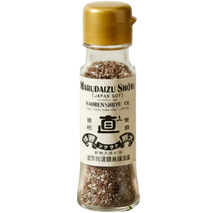
Marudaizu Shoyu Soy Sauce 20g
The essence of Marudaizu soya concentrated in an exceptional salt
This soya salt, selected by Le Delas, is the result of time-honoured Japanese expertise adapted to the demands of modern gastronomy. The term "Marudaizu" refers to the use of whole soya beans during fermentation, a noble method that gives the original soya sauce a much deeper aromatic richness and roundness than industrial products. Transformed into fine, light crystals, this salt becomes a concentrated form of pure umami in solid form. Packaged in 20g portions, it allows professionals to add an authentic Japanese touch without the added moisture of a liquid condiment, thus preserving the texture of your most delicate dishes.
Professional uses, preparation and storage:
► Precision and finishing touches: This 20g format is ideal for precise use in the kitchen or front of house. Its crystalline texture adds a salty, woody crunch that enhances sashimi, fatty tuna sushi or meat carpaccios selected by Le Delas.
► Fusion cuisine and fine dining: It pairs remarkably well with seafood, soft-boiled eggs or root vegetables. Unlike traditional soy sauce, it does not alter the colour of pale foods nor does it make crispy dishes such as tempura soggy.
► Bold pairings: In pastry making, it can be used to enhance caramel or dark chocolate, offering a sophisticated alternative to fleur de sel thanks to its unique fermented notes.
► Use: Use as a finishing salt. A pinch is enough to enhance flavours and add immediate aromatic complexity.
► Storage: This product is extremely sensitive to moisture (hygroscopic). It must be stored in a dry place, away from light. Ensure the container is tightly closed after each use to maintain the structure and crunch of the crystals.
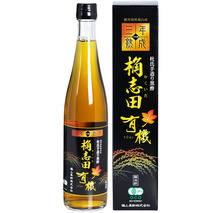
Organic Dark Brown Rice Vinegar, aged for 3 years, 500ml KAKUIDA
The excellence of Kagoshima Kurozu: aged for 36 months in earthenware jars.
A signature product of the Kakuida company, this organic black vinegar is the result of a traditional fermentation process carried out in the heart of Fukuyama. Made exclusively from organic Japanese brown rice, rice koji and local spring water, it ferments and matures patiently in earthenware jars for three years. This extended maturation transforms the raw acidity into a complex, amber-hued sweetness, developing an aromatic profile rich in amino acids. This 3-year-old ‘Kakushida' is distinguished by its notes of roasted rice and powerful umami, offering professionals a depth of flavour far superior to classic rice vinegars, whilst benefiting from Organic Farming certification.
Professional uses, preparation and storage:
► Culinary applications: This black vinegar is a versatile ingredient for Japanese and fusion cuisine. In fine dining, it is ideal for adding structure to red meat marinades, creating sophisticated sweet-and-sour sauces, or deglazing cooking juices to impart a note of roasted grain. Its rich aroma also allows for the creation of distinctive dressings for root vegetable salads or roasted winter vegetables. Beyond the kitchen, it is highly regarded as a ‘health' tonic for its nutritional properties: a 15 ml dose diluted in water makes for a refreshing and balanced drink.
► Use: Its fluidity and clarity allow for easy incorporation into all liquid preparations. A slight natural sediment may appear over time, a sign of a living product that has not been excessively filtered; this does not affect the organoleptic quality in any way.
► Storage: Store the bottle upright, away from direct light and heat. After opening, ensure the cap is tightly closed. This stable product retains its exceptional flavour properties for up to three years after production.
Sanzoku Black Pepper Sauce 2kg NIPPON SHOKKEN
The power of a Japanese seasoning blend featuring three peppers and two garlics.
This black pepper sauce, developed by culinary expert Nihon Shokken, is a high-performance blend designed to deliver an intense and instant aromatic signature. Its recipe is based on a soy sauce base, balanced by a complex blend of three types of peppercorns and two varieties of garlic (chopped and crushed). The result is a typically Japanese “Sanzoku” (mountain-style) flavour, characterised by a lively heat, woody notes and a pronounced umami depth. Its fluid, clear texture allows it to coat food beautifully whilst penetrating deep into the fibres for optimal flavouring.
Professional uses, preparation and storage:
► Culinary applications: A true Swiss Army knife for high-volume kitchens, this sauce excels in wok or griddle-fried dishes (chicken, beef or prawn wok). It is ideal for making ‘Donburi' (topped rice bowls), glazed skewers or for enhancing marinades for red meat and firm-fleshed fish. Its powerful flavour also makes it suitable as a dipping sauce to accompany tempura or gyoza, offering an original alternative to traditional soy sauces.
► Use: Ready to use, it is best added at the end of cooking to preserve the pepper's volatile heat and the freshness of the garlic. Its 2kg format is perfectly suited to the needs of commercial catering and caterers, ensuring consistent flavour across large volumes.
► Storage: Store in a cool, dry place, away from direct light. Once opened, the sauce must be kept in the fridge to maintain its organoleptic qualities. The product has excellent stability with a shelf life of 18 months unopened.