 Go to LE DELAS Rungis website
Aromatic herbs and leaves
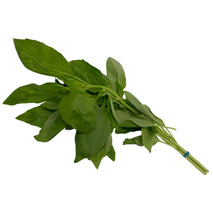
Basil bunch 30g
This aromatic herb, emblematic of Mediterranean cuisine, is characterised by its large, bright green leaves and its deep fragrance with peppery and slightly lemony notes. Carefully selected by Le Delas for its optimal freshness and intense aroma, this basil brings an essential visual and flavour profile to culinary creations that demand a distinct aroma and a polished presentation.
Culinary uses, preparation and storage:
► Culinary applications: A central ingredient in Italian cuisine for making authentic pestos, it also enhances tomato-based sauces, flavoured oils and gourmet pizza toppings. ► Pairings and presentation: Its whole or finely chopped leaves pair perfectly with summer salads, vegetable tartares and beef carpaccios, adding a touch of colour and texture to dishes. ► Preparation: To retain the full intensity of its aroma and prevent the leaves from oxidising, it is advisable to tear the leaves by hand or chop them just before serving. ► Storage: As this product is sensitive to extreme cold, it should be stored in a temperate area or at the top of a positive-temperature cold room, away from excessive humidity to preserve its texture.
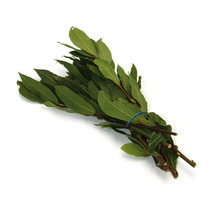
Bay leaf bunch ±30g
Bay leaves are a staple herb in traditional French cuisine. Sold in bunches by Le Delas, they release powerful, woody, warm and slightly camphor-like aromas after prolonged steeping. They are an essential dried ingredient in any proper stock or bouquet garni.
Professional uses, preparation and storage:
► Cooking bases: Essential for making stocks, brown and white stocks, meat stews (daube, civet) and classic tomato sauces.
► Preparation: The leaves are used whole so they can be easily removed before serving. To release more essential oils, you can lightly crumple the leaf before adding it to the hot liquid.
► Storage: Keeps very well in the fridge. For a longer shelf life, the bunch can be hung upside down to dry in a dry, well-ventilated place.
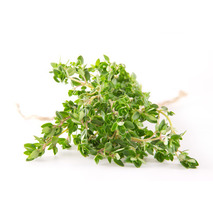
Lemon thyme bunch ±30g
Lemon thyme is a variety of aromatic herb highly prized by chefs for its dual character: the robust, woody flavour of traditional thyme combined with fresh, zesty citrus notes. Sold in bunches of approximately 30 g, it adds a complex aromatic profile without the acidity of lemon juice.
Professional uses, preparation and storage:
► Seafood pairings: Enhances fish en papillote, cooked shellfish and reductions of beurre blanc-based sauces.
► White meats: An excellent ingredient for deeply flavouring marinades for poultry or pork before cooking.
► Preparation: Whole sprigs are used to infuse hot liquids; the small leaves can be finely chopped raw as a finishing touch.
► Storage: Wrap the bunch in slightly damp kitchen paper and place it in the vegetable drawer of the fridge.
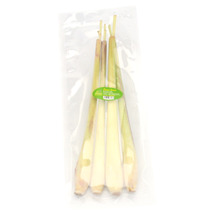
Lemongrass stick extra 90-110g
Lemongrass is a tropical aromatic herb selected by Le Delas for the potency of its essential oils and the freshness of its fleshy base. This ‘extra' grade guarantees dense, fragrant stalks, essential for infusing dishes with a signature lemony, floral and slightly peppery flavour. A true staple of fusion and Asian cuisine, it is highly prized by professionals for its ability to impart an immediate freshness without the acidity of lemon.
Professional uses, preparation and storage:
► Infusions and broths: It is the key ingredient in Tom Yam-style broths or Thai curries. It infuses beautifully in coconut milk, cooking oils or syrups for pastry and mixology.
► Seafood and poultry: It elegantly complements white fish, shellfish and poultry, whether en papillote, in a marinade or incorporated into emulsified sauces.
► Preparation: To release the maximum flavour, it is advisable to remove the dry outer leaves and crush the bulb with the flat of a chef's knife before infusing. For direct consumption (chopped), use only the tender core at the base of the stalk, finely chopped.
► Storage: Store in a positive-temperature cold room. Lemongrass stalks keep for a long time if kept in a cool, dry environment, thus preventing the fibres from drying out.
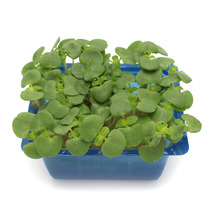
Shiso green small leaves
Green shiso (or Japanese basil) is an exceptional aromatic herb. Its small leaves offer a highly complex flavour profile, skilfully blending notes of mint, basil, aniseed and lemon balm. Delas offers these microgreens to chefs wishing to add a fresh, striking and premium touch to their dishes.
Professional uses, preparation and storage:
► Asian & Fusion Cuisine: A classic ingredient in Japan to accompany tuna or salmon sashimi, sushi and tempura fritters.
► Aromatic garnishes: Use whole as a finishing touch on raw fish dishes or infused in compound butters to glaze shellfish.
► Preparation: Cut the stem with tongs at the last moment and use the whole plant to make the most of its serrated appearance and potent aroma.
► Storage: Very delicate product. Keep between +2°C and +4°C in its transport tray.
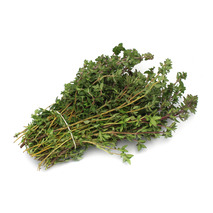
Thyme bunch ±50g
Common thyme is an essential Mediterranean herb in any professional kitchen. Delas offers this product in a generous 50g bunch to add flavour to slow-cooked dishes or grilled meats. Its highly stable essential oils withstand high temperatures perfectly without developing any bitterness.
Professional uses, preparation and storage:
► Slow cooking: A key component of bouquet garni. Ideal for rubbing onto roasts, flavouring mild frying oils or adding to stews.
► Preparation: Use whole sprigs in braised dishes. For marinades or stuffings, strip the leaves from the sprigs by pulling them against the grain.
► Storage: Store in a cool place wrapped in a slightly damp cloth or paper. Thyme can also be dried without losing its aromatic potency.
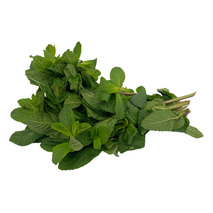
Mint bunch ±80g
This intensely fresh herb is characterised by its powerful minty fragrance and bright green leaves, essential for adding a burst of energy to culinary and mixology creations. Selected by Le Delas for the vigour of its stems and its lingering aromatic bouquet, this mint meets the needs of professionals seeking a versatile herb capable of enhancing savoury dishes, desserts and signature drinks alike.
Aromatic profile, use and storage:
► Culinary applications: A central ingredient in Middle Eastern cuisine for tabbouleh and traditional teas, it also excels in yoghurt sauces, lamb marinades and cream infusions for pastry.
► Mixology and presentation: Its leafy tops are ideal for making classic cocktails such as the Mojito or for adding a striking and refreshing touch to fruit carpaccios and sorbets.
► Preparation: To instantly release its essential oils without any bitterness, it is best to crumple the leaves or gently squeeze them rather than chopping them too finely.
► Storage: Keep in a positive-temperature cold room, preferably with the stems submerged in a container of fresh water or wrapped in a damp cloth to ensure the foliage remains optimally hydrated.
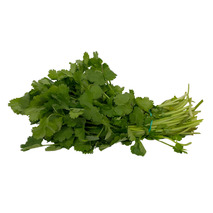
Coriander bunch ±80g
This condiment, with its citrus and resinous notes, is a key ingredient for adding vibrancy and an exotic touch to international culinary creations. Selected by Le Delas for its rich bouquet and lingering fragrance, this aromatic herb brings an immediate freshness to even the most complex dishes, whilst ensuring a flawless visual presentation both in the kitchen and in the dining room.
Aromatic enhancement, use and storage:
► Culinary applications: Essential for making ceviches, Asian broths, curries and chutneys, it pairs perfectly with hot spices and tangy flavours.
► Presentation and finishing: Its serrated leaves add a touch of graphic green and an explosion of flavours as a finishing touch to salads, Thai soups or dishes made with pulses.
► Preparation: For optimal release of aromas, both the leaves and tender stems can be used; it is advisable to add them just before serving to prevent wilting due to heat.
► Storage: Store in a positive-temperature cold room, ideally with the stems submerged in a little water or kept under a damp cloth, to maintain the product's crunch and aromatic intensity.
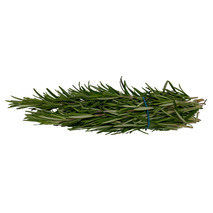
Rosemary bunch ±40g
This woody herb with evergreen needles gives off powerful camphorous and resinous aromas, characteristic of the garrigue region. Selected by Le Delas for the vigour of its stems and the exceptional concentration of its essential oils, this robust aromatic herb brings a distinct Mediterranean character and a lingering depth of flavour to even the most demanding dishes.
Aromatic enhancement, use and storage:
► Culinary uses: Indispensable for flavouring cooking stocks, meat juices and stews, it also excels in marinades for game, lamb or roast poultry.
► Infusions and smoking: Its stiff stems can be used as skewers for aromatic skewers or burned at the end of cooking for a quick smoke with woody notes, adding a unique sensory dimension to the dining experience.
► Preparation: For a slow and even release of flavour, add the whole branches at the start of long cooking times; for direct consumption, finely chop the most tender needles.
► Storage: This product has excellent shelf life; keep the bunches in a positive-temperature cold store, away from excessive humidity, to preserve the structure of the needles and the intensity of the fragrance.
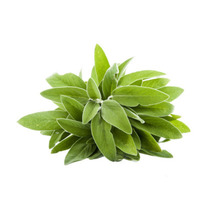
Sage bunch ±30g
This distinctive herb is recognisable by its oblong, downy leaves, which are a velvety grey-green in colour and give off a powerful fragrance with notes of camphor and musk. Selected by Le Delas for the density of its foliage and its exceptional aromatic concentration, this herb is a valuable asset for chefs wishing to bring a rustic yet sophisticated depth to meat and fresh pasta dishes.
Aromatic enhancement, use and storage:
► Culinary uses: Essential for making the famous Saltimbocca alla Romana, it also excels in brown butters, poultry stuffings and sauces for gnocchi or ravioli.
► Pairings and combinations: Its powerful aroma pairs harmoniously with fatty meats such as pork or duck, which it helps to balance, as well as with roasted root vegetables.
► Preparation: To bring out its aromas, feel free to fry the whole leaves in fat until they become crispy, or to infuse them for a long time in sauce stocks.
► Storage: Store in a positive-temperature cold room, away from excessive humidity which could alter the velvety texture of the leaves, in order to preserve the integrity of its essential oils.
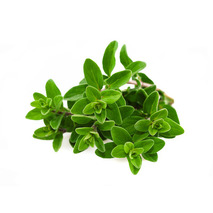
Oregano bunch ±30g
This herb, with its sunny notes, releases intensely woody and spicy aromas typical of Mediterranean terroirs. Selected by Le Delas for the density of its leaves and its lingering, powerful fragrance, this aromatic herb is a staple of both rustic and refined cuisine, offering a depth of flavour essential to dishes with character.
Aromatic profile, use and storage:
► Culinary uses: Perfect for enhancing tomato sauces, marinades for grilled meats and stews, this oregano is also an essential ingredient in focaccia and traditional pizzas. ► Professional pairings: Its robust structure withstands long cooking times perfectly, but it can also be used fresh to infuse finishing oils or garnish dishes made with sheep's and goat's cheese. ► Preparation: For optimal flavour release, gently rub the leaves between your fingers before adding them to the dish to release the essential oils. ► Storage: Store in a positive-temperature cold room in a light-protected environment to preserve the colour and intensity of the aromas over the long term.
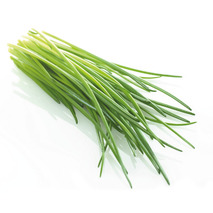
Thai chives 300g
This exotic herb, also known as Chinese chives, is distinguished by its flat, ribbon-like stems of a deep green colour, offering a more pronounced and lingering garlicky flavour than common chives. Selected by Le Delas for the firmness of its fibres and its unique aromatic profile, this herb is an essential technical ingredient for bringing authentic Asian flavour and an interesting texture to contemporary culinary creations.
Aromatic profile, use and storage:
► Culinary uses: A signature ingredient in Pad Thai and wok stir-fries, it blends perfectly into dim sum fillings, pho-style broths or Asian-style omelettes.
► Presentation and texture: Its firmer structure compared to classic chives allows it to be used to create decorative bundles or to add a crunchy finish to meat or fish tartares.
► Preparation: Unlike its European cousin, Thai chives withstand brief stir-frying, which brings out their mild garlic notes; they can also be eaten raw, finely sliced on the diagonal for a professional finish.
► Storage: Store in a positive-temperature cold room, ideally wrapped in breathable film or a damp cloth, to preserve the turgidity of the stems and prevent them from drying out prematurely.
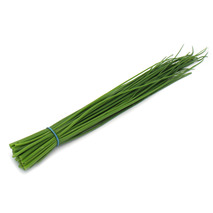
Chives bunch ±20g
Chives are a fresh aromatic herb, recognisable by their thin, hollow green stems, sold in bunches weighing approximately 20g. Supplied by Le Delas in Rungis, it is highly prized for its delicate, slightly garlicky and peppery taste. Chives are one of the most commonly used herbs for garnishing and seasoning dishes.
Culinary uses:
Chives can be used in a variety of ways, mainly raw and as a finishing touch:
► Garnish and decoration: Finely chopped, it is essential for decorating dishes, soups, veloutés, omelettes and fish.
► Sauces and seasonings: Perfect for flavouring cold sauces (cream cheese sauce, crème fraîche), vinaigrettes, tartares and fresh cheeses.
► Egg dishes: A classic addition to scrambled eggs, omelettes and poached eggs.
► Potatoes: A key ingredient in baked potatoes and mashed potatoes.
Storage and preparation tips:
► Storage: Fresh product. Store in a cool place (refrigerator), placing the base of the bunch in a glass of water or wrapping it in damp kitchen paper if possible.
► Use: Wash and dry gently. Chop the chives at the last minute, just before serving, as heat or prolonged contact with food can cause them to lose their aroma and colour.
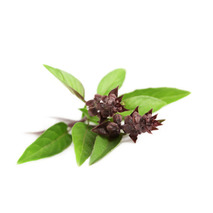
Thai basil bunch ±20g
This iconic condiment of Southeast Asian cuisine is distinguished by its purple stems and pointed leaves, which release powerful notes of liquorice and clove. Selected by Le Delas for the distinctiveness of its aromatic profile and its resistance to cooking, this herb is an essential technical ingredient for bringing rare authenticity and flavour complexity to contemporary culinary creations.
Aromatic enhancement, preparation and storage:
► Culinary uses: A central ingredient in green or red curries and beef stir-fries, it also blends brilliantly into pho-style broths or cream infusions for exotic desserts.
► Plating and presentation: Its bright green leaves, contrasting with the purple hue of the stems, allow dishes to be presented with a striking visual impact and an immediately recognisable aromatic signature.
► Preparation: Unlike common basil, Thai basil withstands heat better; it can be added during cooking in a wok or infused in boiling liquids to release its full aniseed-like flavour profile.
► Storage: Sensitive to excessive cold, this product must be stored in a temperate area of a positive-temperature cold store, protected from direct moisture to prevent the tops from wilting.
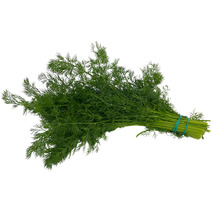
Dill bunch ±60g
This fresh herb is distinguished by its delicate, deep-green foliage and characteristic aniseed notes, essential for adding a fresh, herbaceous touch to seafood dishes. Selected by Le Delas for the fineness of its stems and its consistent aromatic intensity, this herb meets the quality standards of chefs seeking a precise aromatic signature and impeccable presentation.
Professional uses, preparation and storage:
► Culinary applications: Essential for making Gravlax-style marinades, sauces based on sour cream or yoghurt, and for flavouring homemade oils and vinegars.
► Plating and finishing: Its feathery tops add texture and lightness to fish tartares, scallop carpaccios or slices of roasted salmon.
► Preparation: To preserve the integrity of its volatile essential oils, it is recommended to chop the dill at the last moment and add it at the end of cooking or to cold dishes.
► Storage: Store in a positive-temperature cold room, ideally wrapped in a damp cloth or in a controlled environment, to maintain the moisture of the stems and the vibrancy of the foliage.
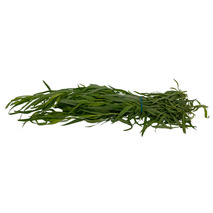
Tarragon botte ±30g
This exceptional herb is distinguished by its narrow, deep-green leaves and its complex fragrance, with notes of aniseed and a hint of pepper. Selected by Le Delas for the suppleness of its stems and its lingering aroma, this herb is a mainstay of haute cuisine, lending an incomparable finesse and a refined flavour profile to the most technically demanding dishes.
Culinary uses, preparation and storage:
► Culinary applications: A key ingredient in base sauces such as Béarnaise or Choron, it also enhances compound butters, flavoured vinegars and delicate poultry stuffings.
► Pairings and finishing touches: Its distinctive flavour pairs perfectly with white meats, Bresse chicken, as well as delicate-fleshed fish and seafood in jelly or cream sauce.
► Preparation: To preserve the delicate balance of its aromas, it is recommended to add it at the end of cooking or to use it fresh, finely chopped, to prevent the bitterness from becoming overpowering.
► Storage: Must be stored in a positive-temperature cold room, wrapped in a damp cloth or kept in an airtight container to prevent the leaves from turning black prematurely and to maintain its freshness.
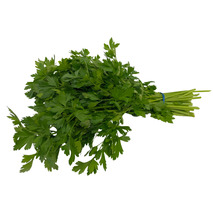
Flat-leaf parsley bunch ±150g
This staple of regional cuisine is distinguished by its smooth, deep-green leaves and its rich aroma, which is significantly more pronounced than that of the curly variety. Selected by Le Delas for the sturdiness of its stems and its high aromatic concentration, this versatile herb provides an essential flavour base for the stocks, butters and garnishes of the most demanding professionals.
Culinary uses, preparation and storage:
► Culinary applications: A key ingredient in persillade, snail butter and bouquet garni, it also adds structure to meat jus and vegetable marinades.
► Presentation and texture: Its chopped or whole leaves provide a classic and elegant finish to pan-fried mushrooms, fish meunière or beef tartare, without ever overwhelming the palate.
► Preparation: To preserve its herbaceous notes, it is best to add the chopped leaves right at the end of cooking or to use them raw to retain the chlorophyll.
► Storage: Store in a positive-temperature cold room, ideally with the stems immersed in a bowl of fresh water or wrapped in damp paper to keep the leaves crisp over time.
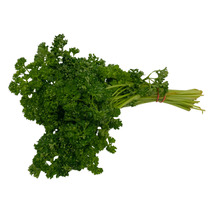
Curly parsley bunch ±130g
This product is a bunch of fresh curly parsley, weighing approximately 130g per bunch. It is a very popular aromatic herb, used both for its slightly peppery taste and for its decorative qualities in cooking, thanks to its deeply cut, curly leaves. Curly parsley is less commonly used for its taste than flat-leaf (or Italian) parsley, but it is highly prized for its robustness and its ability to add volume and a touch of bright green colour to dishes.
Professional culinary uses:
Curly parsley is mainly used in catering for finishing dishes and basic seasoning:
► Decoration and finishing: Its dense, deeply cut foliage is ideal for decorating plates, cold buffets (terrines, jellied dishes) and serving dishes (chips, fish).
► Seasoning: Can be finely chopped to flavour salads, vinaigrettes, mayonnaise, soups, broths, or to make parsley butter.
► Frying: Used to make fried parsley, perfect for accompanying fish and seafood.
Storage and preparation tips:
► Storage: Fresh product. To maximise shelf life, store parsley in a glass of water in the refrigerator, or loosely wrapped in a plastic bag in the crisper drawer.
► Preparation: Wash and dry thoroughly before chopping or using for decoration. Remove tough stems before use.
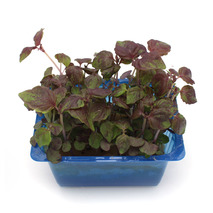
Shiso red little leaves tub 30g
Red shiso (Perilla frutescens), selected by the Rungis Fruit and Vegetable Workshop, is an aromatic herb emblematic of Asian cuisine, prized for its complex notes reminiscent of cumin, lemon balm and aniseed. This 30g tray contains small leaves with an intense purple colour, offering a unique visual and flavour profile. Selected by Le Delas, this fresh product is a precision ingredient for chefs seeking excellence in presentation and aromatic balance.
Professional uses, preparation and storage:
► Presentation and aesthetics: Its deep ruby colour and the delicacy of its small leaves make it a first-choice edible decoration to enhance sashimi platters, fish tartares or red fruit desserts.
► Culinary applications: In professional kitchens or catering facilities, red shiso is used to infuse vinegars, naturally colour pickles or add depth to baby leaf salads.
► Technical use: The 30g tray format is specifically designed for on-demand use, ensuring optimal freshness and precise management of the raw ingredient without waste.
► Preparation: The leaves can be used whole for decoration or finely chopped to release their powerful aroma just before serving the dish.
► Storage: To preserve the vibrancy of its colour and prevent oxidation, this product must be stored at a positive temperature in its original tray. It is recommended to consume it promptly after receipt to enjoy its crunch and potent aroma.
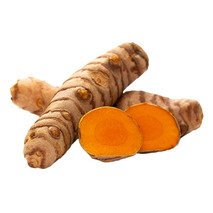
Fresh turmeric 100g
This fresh turmeric rhizome, selected by the Rungis Fruit and Vegetable Workshop, is a prized ingredient for professionals in the culinary and health sectors. Characterised by its vibrant orange flesh and antioxidant properties, it imparts a woody, slightly bitter flavour and an intense natural colour to culinary preparations. Unlike its powdered form, fresh turmeric offers aromatic freshness and a higher essential oil content, essential for technical and authentic cooking.
Professional uses, preparation and storage:
► Culinary applications: Fresh turmeric is ideal for naturally flavouring and colouring curries, broths, fresh vegetable juices or marinades for fish and white meats.
► Use in catering kitchens: It is used grated or infused to impart a unique aromatic and visual signature to sauces, pilaf rice or daring pastry creations.
► Production optimisation: The 100g pack allows for precise measurement and minimises waste, perfectly adapting to the specific needs of professional kitchens to ensure optimal freshness with every use.
► Preparation: After being carefully brushed or peeled, the rhizome can be finely chopped, freshly grated or cut into thin strips. Caution: its natural pigment is very potent and may stain utensils and hands.
► Storage: To maintain its firmness, fresh turmeric should be stored in the fridge's vegetable drawer, preferably wrapped in kitchen paper to regulate moisture.
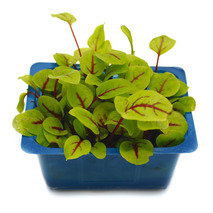
Vene cress tub 30g
Vene Cress, selected by the Rungis Fruit and Vegetable Workshop, is an exceptional microgreen prized for its striking appearance and unique flavour profile. Characterised by small, pale green leaves criss-crossed with pronounced red veins, it offers a surprising flavour reminiscent of the tartness of sorrel, with slightly earthy notes. This fresh product is a precision ingredient, ideal for chefs and caterers seeking to add a touch of visual sophistication and a hint of vibrancy to their creations.
Professional uses, preparation and storage:
► Presentation and aesthetics: Thanks to its natural colour contrast, Vene Cress is perfect for adding a delicate touch to cold starters, carpaccios, scallop tartares or poached white fish.
► Culinary applications: In catering kitchens or fine dining establishments, it is used to complement rich or creamy dishes (such as foie gras or risotto) by adding a welcome natural acidity.
► Technical use: The 30g tray format allows for precise and immediate use, ensuring optimal freshness for service whilst minimising wastage of raw ingredients.
► Preparation: The microgreens must be placed delicately with tongs during the final plating to preserve their fragile structure and vibrant colours.
► Storage: To maintain the turgidity of the leaves, this product must be stored at a positive temperature in its original tray. It is advisable to use it promptly after receipt to enjoy its full aromatic potential.
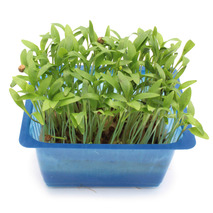
Ghoa cress (coriander) tub 25g
The taste of Ghoa Cress will remind you of the freshness of citrus fruits with a touch of coriander. Ghoa Cress will spice up fish, poultry, but also exotic fruits, salads, etc.
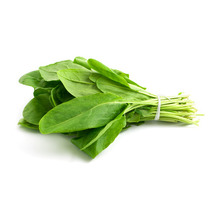
Sorrel
Sorrel is an exceptional aromatic herb prized for its lively and distinctly tangy flavour. Selected by Le Delas, it adds a refreshing, invigorating note and provides a contrast to the richness of fatty or creamy dishes. Its tender leaves wilt very quickly when heated, developing a creamy texture that is ideal for sauces.
Professional uses, preparation and storage:
► Classic sauces: An essential ingredient in the traditional sorrel sauce served with salmon, or to enhance a vegetable velouté.
► Quick cooking: Can simply be sautéed in butter at the end of cooking to accompany white meat or poultry.
► Preparation: Avoid prolonged cooking, which dulls its green colour. Remove the central rib if the leaf is large.
► Storage: A delicate product. Store in the fridge wrapped in damp kitchen paper and use up quickly.