 Go to LE DELAS Rungis website
Fresh fruit | Exotic fruits, pineapple, avocado, banana...
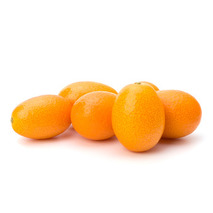
Kumquat ⚖
Kumquats are small citrus fruits that are eaten whole, including their thin, sweet skin, offering a unique balance between sweetness and acidity. They are perfect for use whole in jams, marinades, cocktails or as a dessert decoration.
Origin and availability: see our Rungis store, Atelier Fruits Légumes, or our sales department for delivery.
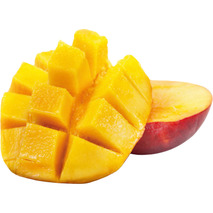
Mango plane ⚖
The Avion mango is a tropical fruit with an intense aroma and juicy, sweet, melt-in-the-mouth flesh, offering the perfect texture to be enjoyed on its own or incorporated into a variety of culinary preparations. These perfectly ripe whole mangoes are ideal for catering professionals who want to serve the flesh in cubes, but also to make coulis, smoothies, fruit salads or delicious exotic desserts.
Origin and availability: in our Rungis store, Atelier Fruits Légumes, and available to order for delivery.
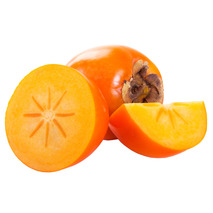
Persimmon ⚖
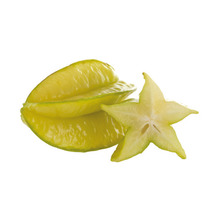
Star fruit ⚖
The star fruit is an exotic fruit of great ornamental value, carefully selected by Le Delas for the uniformity of its ridges and the lustre of its skin. When cut crosswise, it reveals its perfect five-pointed star shape, making it a chef's favourite for creating striking plate presentations. Its flesh, both crisp and juicy, offers a subtly tangy and refreshing flavour, ideal for adding a touch of tartness to a tasting menu.
Professional uses, preparation and storage:
► Decoration and culinary styling: Its main use lies in the presentation of desserts, exotic fruit salads or frosted fruit platters. A single star-shaped slice is enough to add a striking, high-end touch to a creation.
► Culinary applications: Beyond decoration, star fruit can be poached in a light syrup, incorporated into chutneys to accompany white meats, or used in mixology to garnish sophisticated cocktail glasses.
► Preparation: Wash the fruit thoroughly and remove any browned ends from the ribs using a paring knife. The skin is edible, allowing for quick, waste-free cutting when serving.
► Storage: Store in a positive-temperature cold room. It is advisable to monitor the colour: a golden-yellow fruit is fully ripe and should be used quickly, whilst a greener fruit can be kept for a few more days at room temperature to allow it to ripen fully.
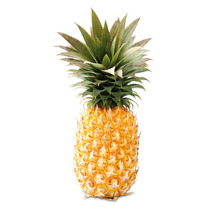
Extra sweet pineapple
Extra Sweet Pineapple is a fresh exotic fruit characterised by its very sweet flavour and low acidity, making it particularly enjoyable to eat raw. Orders are placed by the kilo, with an approximate weight per piece of 1 kg.
Sourced for you by Le Delas in Rungis, it is distinguished by its golden yellow flesh, which is juicy and very fragrant.
Culinary uses:
Extra Sweet Pineapple can be used in a variety of ways, either raw or cooked:
► Raw consumption: Ideal served fresh, sliced or chopped, in fruit salads, fruit skewers or dessert buffets.
► Juices and smoothies: Perfect for making fresh juices, smoothies or cocktails (such as Piña Colada).
► Savoury dishes: Used to accompany meat dishes (pork, poultry), particularly in Asian or Creole cuisine, or grilled for an exotic side dish.
► Pastries: Essential for tarts, upside-down cakes (such as pineapple Tarte Tatin), or caramelised.
Storage and preparation tips:
► Storage: Fresh product. Store at room temperature until ripe (strong aroma). Once ripe, it can be kept refrigerated for a few days.
► Preparation: Cut off the crown and base, peel the rough skin and remove the eyes (small black dots). Remove the fibrous core before slicing, dicing or finely slicing.
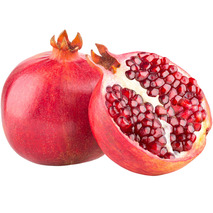
Pomegranate
Pomegranate, an exotic fruit with juicy red seeds, is prized by chefs for its tangy notes. It is often used to enhance fruit or vegetable salads, adding a touch of freshness and crunch. Pomegranate seeds are also ideal for garnishing fish or meat dishes, adding a unique flavour and colourful presentation. In baking, they can be incorporated into desserts such as sorbets, mousses or tarts, offering an explosion of flavours. Chefs also like to use them in sauces and marinades for a tangy and refreshing note, or to decorate their creations with elegance.
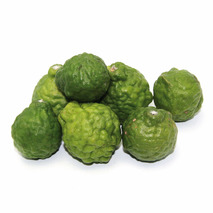
Kaffir lime ⚖
Combawa, also known as combava or kaffir lime, comes in the form of small green, aromatic fruits weighing around 20g each. Its zest and leaves give off an intense, lemony, slightly spicy aroma that subtly enhances culinary preparations. It is ideal for flavouring Asian dishes, curries, sauces, marinades, vinaigrettes, as well as desserts and cocktails for an original and refreshing touch.
Origin and availability: in our Rungis store, Atelier Fruits et Légumes, or available to order for delivery.
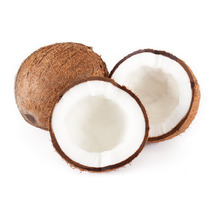
Coconut ±500g
The ultimate exotic ingredient for adding a rich, creamy texture and an authentic milky flavour to your sweet and savoury creations, as well as your bar drinks.
Product description:
The coconut, selected by Le Delas for the density of its flesh and its high water content, is presented in its raw form with its protective woody shell. This exotic fruit, weighing an average of 500 g, guarantees optimal freshness and a flavour far more intense than dried or processed versions. The white, crunchy flesh, known as the kernel, offers a rich and sweet flavour profile, whilst the coconut water at the centre provides a refreshing note that is invaluable for quick preparations. Available at the Fruit & Vegetable Workshop, it is the ideal raw ingredient for chefs wishing to process the produce themselves to create a unique culinary signature.
Professional uses, preparation and storage:
This product offers a wide range of possibilities for processing in the laboratory or kitchen:
► Pastries and Desserts: The flesh can be freshly grated to garnish desserts, incorporated into coconut macaroons or infused into creams to make ice creams and sorbets with an authentic flavour.
► Exotic Cuisine: Shaved into flakes or blended to make homemade coconut milk, it enhances fish curries, coconut milk-based poultry dishes or Tahitian-style sea bream tartare.
► Mixology: Coconut water is a premium base for refreshing cocktails, whilst the freshly grated flesh serves as a garnish or base for artisanal syrups.
► Preparation: To open, pierce one of the three ‘eyes' at the base to drain the coconut water. Then tap the shell with the back of a heavy knife to split it open. The thin brown skin can be removed with a vegetable peeler to leave only the pure white flesh.
► Storage: Store at room temperature in a dry place until opened. Once the flesh has been removed, it should be kept in the fridge at between +2°C and +4°C, ideally in a container of cold water, and consumed quickly to prevent the fats from going rancid.
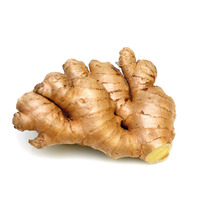
Ginger root ⚖
This ginger root is fresh, fleshy and knotty, known for its spicy, lemony and slightly sweet taste. Ginger is a fundamental ingredient in many cuisines around the world (Asian, Indian) and is highly prized for its aromatic and tonic properties. It is supplied to you by Le Delas in Rungis.
Culinary uses:
Ginger root can be used in a variety of ways, in cooking and in drinks:
► Savoury seasoning: Essential grated or chopped to flavour stir-fries, curries, meat marinades (pork, poultry) and fish.
► Infusions and drinks: Used to make infusions, teas, syrups or detox juices (fresh pressed ginger).
► Baking: Can be candied or grated into cakes, gingerbread, biscuits and fruit salads for a spicy note.
► Sauces and condiments: Base for many sweet and sour sauces or vinaigrettes.
Storage and preparation tips:
► Storage: Fresh product. Store in a cool, dry place. It can be stored in the refrigerator or frozen (peeled or unpeeled) for longer storage.
► Use: Peel the thin skin (often with a spoon or peeler) before grating, chopping or cutting into thin slices.
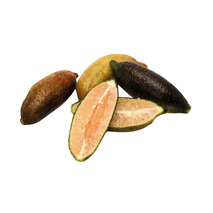
Lemon caviar tub ±100g
Lemon caviar comes in a ±100 g tray and is distinguished by its small green pearls containing fresh, tangy juice. Its subtle, refined taste makes it an ideal accompaniment to enhance fish, seafood and sushi, or to add an original touch to many desserts and pastries. Product available to order 48 hours in advance, for collection from our Fruit and Vegetable Workshop in Rungis or for delivery.
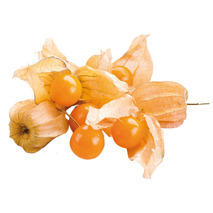
Physalis tub ±100g
The physalis, also known as the ‘love-in-a-cage' due to its papery calyx that protects the fruit, is a must-have for cake decoration and buffet presentation. Selected by Le Delas, this small orange fruit offers a tangy, sweet and slightly vanilla-like flavour. Its natural presentation in its openwork husk instantly adds a touch of exoticism and volume to the most refined culinary creations.
Professional uses, preparation and storage:
► Decoration and finishing: It is the key visual element for petits fours, desserts and cocktails. By gently folding the sepals upwards, the glossy fruit is revealed for maximum aesthetic effect.
► Pastry and Confectionery: The fruit can be enjoyed fresh, but it also lends itself to being dipped in fondant sugar or couverture chocolate to create high-end treats.
► Culinary pairings: Its hint of acidity makes it an ideal companion to balance the richness of pan-fried foie gras or to add depth to a tropical fruit salad.
► Storage: Store the trays in a positive-temperature cold room, away from moisture to prevent the calyx from softening or spoiling. It is best to remove the protective wrapping only just before serving.

Banana ⚖
Although bananas have become a staple fruit on our shelves, they are a fresh tropical fruit, rich in carbohydrates and potassium. Bananas are loved by everyone for their sweet flesh, creamy texture when ripe and readily available energy. Bananas are harvested green, transported to Europe by boat and then ripened in ripening rooms over a period of 4 to 6 days, which replicates the fruit's natural ripening process.
Culinary uses:
Bananas can be used in a variety of ways, both raw and cooked:
► Direct consumption: Ideal as a fresh fruit, energy snack, for breakfast, brunch or snacks.
► Desserts: Used in pies, cakes (banana bread), pancakes, doughnuts or simply sliced for fruit salads.
► Smoothies and Juices: An essential creamy base for smoothies, milkshakes or frozen bowls.
► Hot Cooking: Can be pan-fried or flambéed, especially as an accompaniment to savoury dishes.
Storage and preparation tips:
► Storage: Fresh product. Store at room temperature to allow ripening. Once ripe, bananas can be stored in a cool place for a few days, but their skin will turn black (without affecting the flesh).
► Preparation: Peel and eat raw or use in cooking, depending on the desired degree of ripeness.
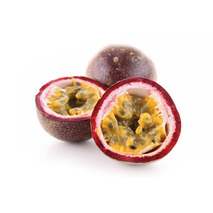
Passionfruit ⚖
Do not be surprised by its crumpled appearance, it is when it begins to crumple that the fruit of passion is well wall and releases all its flavors. If it is not yet, wait a little!
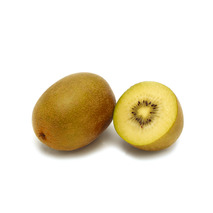
Gold yellow kiwi
The Gold yellow kiwi is a small fruit weighing around 30 g, with soft, juicy flesh that is sweet and slightly tart. Its thin, smooth, golden skin contrasts with its bright yellow, fragrant interior. This kiwi can be stored at room temperature for a few days or in the refrigerator to prolong its freshness. Ideal for preparing fresh desserts, fruit salads, smoothies or to enhance sweet and savoury dishes.
Origin and availability: Available in our Rungis store, Atelier Fruits Légumes, and for delivery.
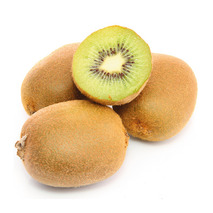
Kiwi ±100g
The kiwi is a fresh fruit recognisable by its hairy, brown-green skin and bright green flesh, dotted with tiny edible black seeds. Selected by Le Delas, a wholesaler in Rungis, this fruit is appreciated for its tangy and refreshing flavour, as well as its high vitamin C content.
Culinary uses:
Kiwis are suitable for a variety of uses, mainly raw:
► Dessert and table fruit: Ideal cut in half or sliced for eating raw.
► Fruit salads: A must in fruit salads, skewers or breakfast bowls for their colour and flavour.
► Pastries: Used to decorate tarts, desserts and cakes (their acidity may require stabilisation in preparations containing gelatine or dairy products).
► Smoothies and juices: Perfect for making drinks and green juices.
Storage and preparation tips:
► Storage: Fresh product. Store at room temperature to ripen. Once ripe (slightly soft to the touch), store in a cool place (refrigerator) to slow down the ripening process.
► Preparation: Peel the skin with a knife or vegetable peeler, or simply cut in half and eat the flesh with a spoon.
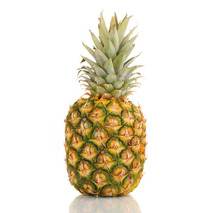
Pineapple plane ⚖
The "air-freighted" pineapple is selected by Le Delas to guarantee professionals optimal ripeness and superior flavour. Unlike sea freight, air transport allows the fruit to be harvested at an advanced stage of ripeness, directly from the plant. This logistical requirement results in an exceptional concentration of sugars and intensely exotic flavours, essential for establishments that prioritise the excellence of the raw product.
Professional uses, preparation and storage:
► Gastronomy and Pastry: Its juicy, colourful and naturally sweet flesh is ideal for fruit carpaccios, whole spit-roasting with mild spices (vanilla, star anise), or for making sorbets and exotic tarte tatin.
► Preparing the fruit: For a refined presentation, the fruit can be cut into perfect boat-shaped pieces or cylinders after being trimmed with a chef's knife. Its core, although firmer, is particularly tender in air-freighted shipments and can often be incorporated into recipes.
► Flavour pairings: It pairs remarkably well with seafood (scallops, prawns) for sweet-and-salty notes, or to balance the heat of bird's eye chillies in a salsa.
► Storage: Ready to eat upon receipt. To preserve its organoleptic qualities, it is advisable to store it in a cool, well-ventilated place, but avoid prolonged exposure to the intense cold of a positive cold store, which could affect its shine.
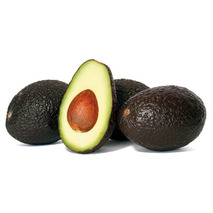
Hass avocado
The Hass avocado is the most popular fruit in its category. It is characterised by thick, grainy skin that turns dark (from green to purplish-black) when ripe. Its flesh is creamy, rich in vegetable fat and has a mild flavour, making it suitable for use in many recipes and dishes.
Culinary uses:
The Hass avocado is suitable for a wide range of uses, both cold and cooked:
► Guacamole: this high-quality avocado is the essential ingredient for making guacamole, seasoned with lime, coriander and chilli.
► Salads and bowls: ideal sliced for mixed salads, poke bowls or savoury toast (avocado toast).
► Starters: Perfect for ceviche, verrines or served in half shells with a vinaigrette.
► Desserts: Can be used in sweet dishes (chocolate mousses, green smoothies) to add creaminess.
Storage and preparation tips:
► Storage: Fresh product. Store at room temperature to encourage ripening. Once ripe, store in the refrigerator. To slow down the oxidation of a cut avocado, leave the stone in or sprinkle with lime juice.
► Preparation: Use when the fruit is soft to the touch. Cut in half, remove the stone and skin before using the flesh.
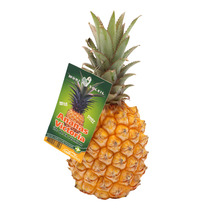
Victoria ananas
Pineapple Victoria comes to us in winter to brighten up our plates with an exotic note! Cultivated in Reunion, it owes its name to Queen Victoria who particularly appreciated it. Much more tender, juicy and sweet than other more common varieties, its flesh is juicy and tender, sweet, slightly acidic. Nothing is lost in the Victoria pineapple, because even its heart can be eaten. It is the best of all the varieties, the king of pineapples in short!