 Go to LE DELAS Rungis website
Cod eggs, salmon, trout, lumps, tobikko and even bottarga!
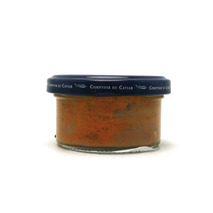
Pure sea urchin coral 50g LE COMPTOIR DU CAVIAR
Sea urchins are caught in the pure waters of Iceland from October to February. The iodized power of sea urchin coral, the finesse and length in the mouth are its main characteristics for tasting and cooking.
To be enjoyed on its own, on a slice of toasted bread with a drizzle of olive oil.
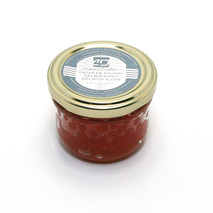
Salmon roe 100g CASPIAN TRADITION
The most accessible of fish eggs, salmon eggs are characterized by a bright translucent orange color, a beautiful size, and by their round shape that rolls on the tongue before bursting and releasing its fresh, iodized and delicate taste.
These Caspian Tradition salmon eggs, caught in Alaska, are eaten on toast, blinis or sushi, salads or appetizers, paired with smoked salmon, for example, on eggs, or as a garnish for plates from the sea.
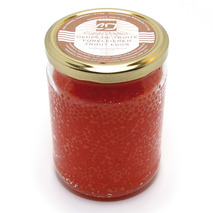
Trout roe 500g CASPIAN TRADITION
Trout eggs have a fresh and delicately scented taste generally appreciated by seafood lovers. Just salted, these trout eggs caught in France retain this sweet flavor which is very well suited for the creation of cocktail pieces and appetizers to which they bring an aesthetic touch thanks to their characteristic translucent orange color.
Packaged in a 500g jar, these trout eggs are well suited to catering professionals.
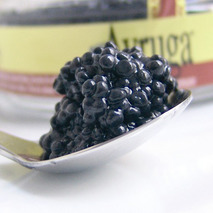
Harenga (black pearls made from smoked herring meat) 350g HARENGA
Le Delas has selected these little pearls made with smoked herring from sustainable fishing. Called Harenga, this unique and astonishing product is visually similar to caviar. These little black pearls are made from micronised dried herring, seasoned and coloured with squid ink to give it that captivating appearance. In terms of flavour, these herring pearls are somewhere between lump roe and caviar. They have a subtle, gourmet flavour, neither too salty nor too fishy, which makes them ideal for eating on their own with a spoon, on blinis with a little crème fraîche, or in your dishes for a touch of originality. Here are a few ideas for using Harenga pearls: as a starter, on a base of your choice with herbed crème fraîche, as a topping on salmon or tuna tartare, or in a seafood salad...
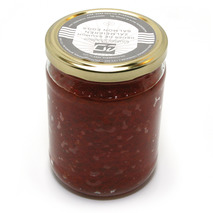
Salmon roe 500g CASPIAN TRADITION
The most accessible of fish eggs, salmon eggs are characterized by a bright translucent orange color, a beautiful size, and by their round shape that rolls on the tongue before bursting and releasing its fresh, iodized and delicate taste.
These Caspian Tradition salmon eggs, caught in Alaska, are eaten on toast, blinis or sushi, salads or appetizers, paired with smoked salmon, for example, on eggs, or as a garnish for plates from the sea.
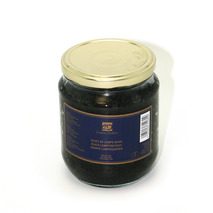
Black lumpfish roe 500g CASPIAN TRADITION
Lumps eggs, naturally grey, are traditionally pickled and coloured in red or black with spices.
The recipe of Caspian Tradition respects this tradition and, from fish eggs caught in Iceland, gives a result to the bright color and pronounced taste.
Often presented on toast or blinis, they can also be used in plate finishing or in the composition of appetizers with marine flavours.
Packaged in a 500g jar, these lumps eggs are well suited to catering professionals.
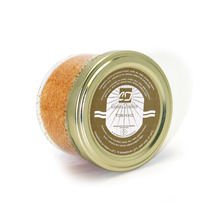
Gold Tobiko 80g CASPIAN TRADITION
The Tobiko, very popular in Japan and often mistakenly called "Japanese caviar", is composed of flying fish eggs. Larger than smelt eggs but smaller than salmon eggs, these eggs have a characteristic texture that crunches slightly under the tooth. With its beautiful color, this Tobiko can be used for making toast, sushi, sauce or as an accompaniment to a fish dish or as a decoration for example.
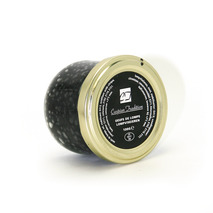
Black lumpfish roe 100g CASPIAN TRADITION
Lumps eggs, naturally grey, are traditionally pickled and coloured in red or black with spices.
The recipe of Caspian Tradition respects this tradition and, from fish eggs caught in Iceland, gives a result to the bright color and pronounced taste.
Often presented on toast or blinis, they can also be used in plate finishing or in the composition of appetizers with marine flavours.
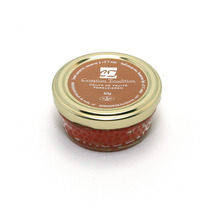
Trout roe 50g CASPIAN TRADITION
Trout eggs have a fresh and delicately flavored taste generally appreciated by lovers of seafood products. Just salted, these trout eggs caught in France retain this sweet flavor which is very suitable for making cocktails and appetizer bites to which they bring an aesthetic touch thanks to their characteristic translucent orange color.
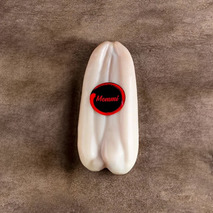
Botargo calibre 1 in wax ±220g MEMMI
Bottarga (boutargue/botargo in Occitan) is a specialty without additives, colorings or preservatives, extremely appreciated throughout the Mediterranean basin and also in Asia under the name of karasumi. It's a bag of eggs (roe) of mullet, salted and dried, collected when the females are full, then coated with wax in order to stop the maturation of the eggs at the right time and to preserve them.
It is eaten in thin slices stripped of their wax envelope, or grated in a pasta dish, on buttered toast...
The simplest recipe is to cut it into very thin slices and moisten it with virgin olive oil, on which you can add, according to taste, lemon. Sliced bottarga is a wonderful addition to a salad, especially salads with a strong taste such as arugula.
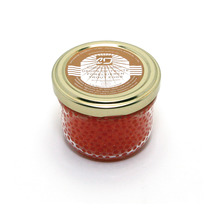
Trout roe 100g CASPIAN TRADITION
Trout eggs have a fresh and delicately scented taste generally appreciated by seafood lovers. Just salted, these trout eggs caught in France retain this sweet flavor which is very well suited for the creation of cocktail pieces and appetizers to which they bring a touch of aesthetics thanks to their characteristic translucent orange color.
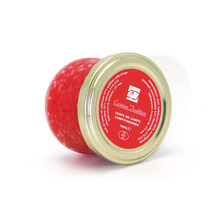
Red lumpfish roe 100g CASPIAN TRADITION
Lumps eggs, naturally grey, are traditionally pickled and coloured in red or black with spices.
The recipe of Caspian Tradition respects this tradition and, from fish eggs caught in Iceland, gives a result to the bright color and pronounced taste.
Often presented on toast or blinis, they can also be used in plate finishing or in the composition of appetizers with marine flavours.
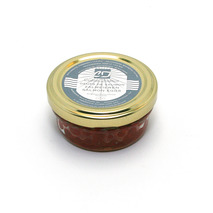
Salmon roe 50g CASPIAN TRADITION
The most accessible of fish eggs, salmon eggs are characterized by a bright translucent orange color, a beautiful size, and by their round shape that rolls on the tongue before bursting and releasing its fresh, iodized and delicate taste.
These Caspian Tradition salmon eggs, caught in Alaska, are eaten on toast, blinis or sushi, salads or appetizers, paired with smoked salmon, for example, on eggs, or as a garnish for plates from the sea.
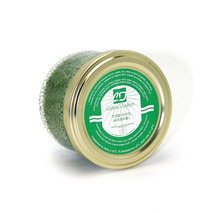
Green Tobiko wasabi flavor 80g CASPIAN TRADITION
The Tobiko, very popular in Japan and often mistakenly called "Japanese caviar", is composed of flying fish eggs. Larger than smelt eggs but smaller than salmon eggs, these eggs have a characteristic texture that crunches slightly under the tooth. With its beautiful color, this Tobiko can be used for making toast, sushi, sauce or as an accompaniment to a fish dish or as a decoration for example.
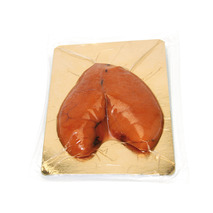
Poached smoked cod roe ±200g ATELIERS DE FUMAISON SAFA
Smoked cod roe carefully prepared to deliver a subtle briny flavor and creamy texture. Selected by Ledelas, ideal for refined appetizers or gourmet recipes.
Culinary uses:
Perfect for homemade tarama, elegant canapés, or to enhance pasta dishes, sauces, and seafood recipes. Can be used cold or blended into smooth preparations.
Storage and preparation advice:
► Store between 0 °C and +4 °C
► Consume promptly after opening
► Use cold or mix into a recipe
► Can be blended or whipped to a creamy texture
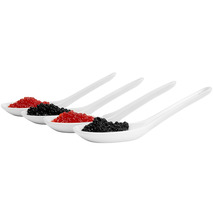
Black lumpfish eggs MSC jar 340g DELICEMER
These black lumpfish roe are a semi-preserved product packaged in a protective atmosphere in 340g jars. They are composed of 84% lumpfish roe (Cyclopterus lumpus), responsibly fished in the North-West Atlantic (MSC certified). The product is pasteurised and contains whole black roe, coloured and salted. The texture is crunchy and non-viscous, with a typical salty taste and smell.
Professional culinary uses:
Lumpfish roe is a popular ingredient for decoration and adding a salty flavour. It is traditionally used as an accompaniment to blinis, toast and canapés for buffets and aperitifs. It is also perfect for garnishing verrines, sushi or decorating cold starters made with smoked fish or shellfish.
Storage advice:
Store between 0°C and +4°C (semi-preserved). Once opened, consume within 3 days.
Red lumpfish eggs MSC jar 340g DELICEMER
These red lumpfish roe are a semi-preserved product packaged in a protective atmosphere in 340g jars. They consist of 84% coloured and salted lumpfish roe (Cyclopterus lumpus), responsibly fished in the North-West Atlantic and MSC certified. The product is pasteurised and contains whole eggs with a bright red colour (achieved using carmine dye and paprika extract). The texture is crunchy and non-viscous, with a typical salty taste and smell. Their red colour makes them perfect for adding visual contrast to dishes.
Professional culinary uses:
Red lumpfish roe is mainly used for decoration and to add a marine flavour. Its bright colour is ideal for adding contrast and visual refinement to blinis, canapés and toasts at cocktail parties and buffets. It goes very well with fresh cheese, hard-boiled eggs or smoked fish.
Storage advice:
Store between 0°C and +4°C (semi-preserved). Once opened, consume within 3 days.
Red lumpfish eggs MSC jar 100g DELICEMER
These red lumpfish roe are a semi-preserved product packaged in small 100g portions. This product is composed of 84% lumpfish roe (Cyclopterus lumpus), coloured and salted, sustainably fished in the North-West Atlantic and MSC certified.
The roe is bright red in colour, obtained using colourings such as carmine and paprika extract. It has been pasteurised for better preservation and offers a crunchy texture with a characteristic taste and smell, slightly iodised. This small format is ideal for portion control.
Professional culinary uses:
This 100g format is perfect for quick use and to limit waste, especially for plating or sushi bars. Red lumpfish roe is mainly used for decoration and to add colour and a marine flavour to blinis, canapés and cold fish-based starters (smoked salmon, tarama, etc.).
Storage and preparation tips:
Store between 0°C and +4°C (semi-preserved). Once opened, consume within 72 hours (3 days) and keep refrigerated.
Black lumpfish eggs MSC jar 100g DELICEMER
These black lumpfish roe are a semi-preserved product presented in small 100g jars. This product is composed of 84% lumpfish roe (Cyclopterus lumpus), sustainably fished in the North-West Atlantic and MSC certified. The roe is black in colour, obtained by adding food colouring. It has been pasteurised for better preservation and offers a crunchy texture with a characteristic taste and smell, slightly iodised. This small format is ideal for portion control.
Professional culinary uses:
The small 100g format is perfect for quick use and to minimise waste, especially for refined dishes or sushi bars. Black lumpfish roe is a classic for decorating blinis, canapés and cold starters made with seafood. It adds a touch of colour and a subtle sea flavour.
Storage and preparation tips:
Store between 0°C and +4°C (semi-preserved). Once opened, consume quickly (within 72 hours) and keep refrigerated.
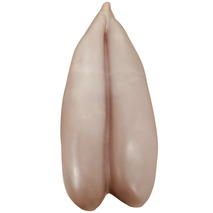
Waxed premium bottarga ±150g NEW ADAMER
Marseille's artisanal “Gold of the Mediterranean”, traditionally coated in wax
Handcrafted in Marseille by Adamer, this exceptional mullet bottarga is made from carefully selected mullet roe sacs. After being salted with fine salt and dried under controlled conditions for 3 to 8 days depending on size, each piece is cleaned and then dipped three times in succession into a bath of food-grade wax at 60°C. This airtight wax coating halts the maturing process at the exact degree of tenderness required, thus preserving a melt-in-the-mouth texture and delicately subtle briny notes.
Professional uses, preparation and storage:
► Culinary applications and presentation:
Serve cold or slightly warmed as a finishing touch. After removing the thin layer of wax with a paring knife, slice the bottarga into very thin strips or petals. It pairs beautifully with toast made from country bread and lightly salted butter, enhances a scallop carpaccio, enriches a citrus risotto or adds a refined, briny touch to freshly cooked linguine.
► Benefits for cooking and handling: A wax coating ensuring optimal protection against oxidation, perfect product stability in storage and a clean cut in the dining room or kitchen, selected by Le Delas.
► Size and packaging: Whole piece in wax, approx. 150 g. Available individually or in cardboard boxes.
► Storage and preservation: Store in a cool place between +2 °C and +6 °C, away from light. Keeps for several months thanks to its wax coating.
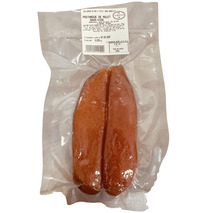
Premium bottarga vacuum packed ±150g NEW ADAMER
The purity of artisanal Marseille bottarga in wax-free, freshness-preserving packaging
Produced using the expertise of the Adamer workshop in Marseille, this mullet bottarga is salted with fine salt and then dried for 3 to 8 days in accordance with traditional methods. Selected from the finest specimens, it is vacuum-packed directly without a wax coating. This packaging preserves the natural suppleness of the roe sac, simplifies preparation in the kitchen and allows for continued maturing according to the chef's preferences.
Professional uses, preparation and storage:
► Culinary applications and presentation:
Ready to use once the packet has been opened. Easily sliced into thin slices or julienne strips to garnish appetisers, canapés, fish tartares, scrambled eggs or warm salads. Offers quick handling and zero wastage during preparation.
► Benefits for the kitchen and management: Immediate time savings when plating up as there is no wax to peel off. The vacuum-sealed packaging ensures the product is clearly visible and keeps it in excellent condition without drying out, selected by Le Delas.
► Format and packaging: Whole piece vacuum-sealed (variable weight). Available individually.
► Storage and preservation: Store in the fridge at between +2 °C and +4 °C. Once opened, keep chilled, well wrapped, and consume promptly.
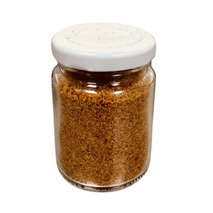
Grated premium bottarga jar 50g NEW ADAMER
A ready-to-use, iodine-rich condiment for an intense and consistent finish
Adamer, a renowned Marseille-based producer, offers its dried mullet bottarga in grated form in a 50 g jar. Made from bottarga that has been matured to achieve a pronounced aromatic intensity, it is ground into a uniform golden powder that immediately releases all its salty and full-bodied flavours. This handy format is the ultimate condiment for elevating dishes with a single gesture as the final touch.
Professional uses, preparation and storage:
► Culinary applications and plating:
Use as a quick sprinkle over hot or cold dishes. Ideal for adding a finishing touch to a pasta dish (pasta with bottarga), sprinkling over a risotto with beurre blanc, seasoning butter flakes on hot oysters, enhancing homemade mayonnaise, or adding depth to a cauliflower or parsnip velouté.
► Benefits for cooking and management: Ultra-precise measurement, impeccable flavour consistency and perfect control over portion costs. Eliminates any handling or wastage associated with manual grating in the kitchen; selected by Le Delas.
► Size and packaging: 50 g net jar.
► Storage and shelf life: Store in a cool, dry place or in the fridge at between +2 °C and +6 °C. Close the lid tightly after each use to preserve the flavours and prevent moisture from entering.