 Go to LE DELAS Rungis website
Fresh fruit | Citrus fruits, lemons, oranges, grapefruit...
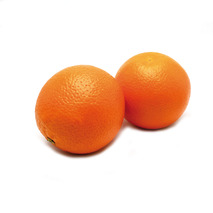
Orange for juice ⚖
The Juice Orange is a fresh citrus fruit, specifically selected for its high juice yield and balanced flavour. Supplied by Le Delas Rungis, it is characterised by its juicy pulp and fresh, slightly sweet taste, making it ideal for preparing drinks.
Culinary uses:
The Juice Orange is mainly used for:
► Fruit juices: An essential ingredient for freshly squeezed orange juice, either on its own or mixed with other citrus fruits.
► Cocktails and drinks: Used to make cocktails, punches, or to flavour teas and infusions.
► Cooking: The juice can be used in marinades to tenderise meat, in sauces (sweet and sour sauce), or for deglazing.
► Baking: The zest can be used to flavour cakes, creams or jams, while the juice is used in syrup.
Storage and preparation tips:
► Storage: Fresh product. Store at room temperature or in a cool place.
► Preparation: Wash thoroughly before use. Juice using a citrus press. If you wish to use the zest, make sure the orange has not been treated after harvesting.
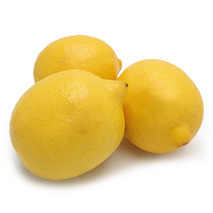
Yellow lemon ⚖
The Yellow Lemon is a fresh citrus fruit known for its distinctly acidic taste and rich, juicy pulp. It is a fundamental ingredient in cooking and baking, providing an essential source of flavour. Yellow lemons also offer a significant amount of vitamin C.
Culinary uses:
Lemons are suitable for a wide range of uses, including seasoning, drinks and baking:
► Seasoning: Essential for deglazing cooking juices, seasoning fish and seafood, salads, or preventing the oxidation of fruit and vegetables (avocado, artichoke).
► Baking: A key ingredient in lemon tarts, cakes, jams, and for fragrant zest.
► Drinks: Used to make lemonade, iced tea, or simply sliced to flavour water.
► Marinades: Essential for tenderising and flavouring meat and fish.
Storage and preparation tips:
► Storage: Fresh product. Ideally, store away from heat and light. It keeps better in a cool place for long-term storage.
► Preparation: Wash before use. The peel can be zested for its aroma. Squeeze the fruit for juice.
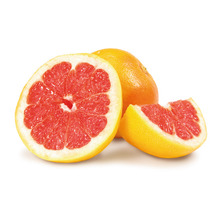
Pink pomelo ⚖
The tangy freshness and juicy flesh of a must-have citrus fruit for your seasonal creations and bar recipes.
Product description:
The Pink Pomelo is a premium citrus fruit selected by Le Delas for its perfect balance of sweetness, acidity and a refreshing hint of bitterness. Recognisable by its smooth skin and deep pink flesh, it is particularly prized by professionals for its high juice content and crisp texture. Each fruit weighs approximately 300g, offering consistent sizing for precise stock and cost management. Available to order by the kilo from our Fruit & Vegetable Workshop, it guarantees consistent quality to add a colourful and invigorating touch to your menus.
Culinary uses, preparation and storage:
Versatile, the pink pomelo lends itself to a wide range of culinary applications, from breakfast to dinner:
► Fresh starters: Ideal served as suprêmes (hand-peeled segments) to accompany fish tartares, shellfish salads or prawn and avocado dishes.
► Desserts and Pastries: Its vibrant colour enhances fruit salads, sorbets or citrus meringue tarts. Its zest can also be candied to embellish your sweet creations.
► Mixology: Highly prized in bars for making freshly squeezed juices or for flavouring classic cocktails such as the Paloma or the Greyhound.
► Preparation: To extract as much juice as possible, roll the fruit on your work surface before squeezing it. For segments, use a sharp paring knife to remove the white pith (albedo) which causes bitterness.
► Storage: Best kept at room temperature in a dry place for a week, or for up to two weeks in the crisper drawer of the fridge to preserve its juiciness.
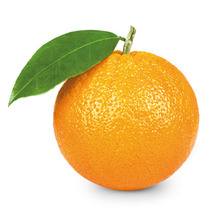
Table orange ⚖
The Table Orange is a fresh citrus fruit, specifically selected for direct consumption. It is characterised by its easy-to-peel skin and fleshy pulp, with a mild, sweet flavour that is often less acidic than juice oranges. It is ideal for eating raw, in segments or in fruit salads.
Culinary uses:
Table oranges are suitable for a variety of uses:
► Raw consumption: Ideal for peeling and eating straight away, as a snack or dessert.
► Fruit salads: Used in segments or supremes (without the white pith) for fruit salads, skewers or bowls.
► Savoury dishes: The segments can be added to winter salads (with fennel and olives) or served as an accompaniment to duck or poultry.
Storage and preparation tips:
► Storage: Fresh product. Store at room temperature or in a cool place.
► Preparation: Peel the skin and remove the white membranes (bitter parts) for optimal table consumption.
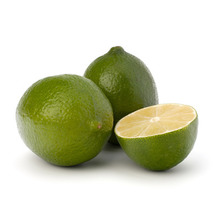
Lime ⚖
Lime is a citrus fruit renowned for its freshness and characterised by its thin skin, bright green colour and juicy pulp. Lime offers a distinct acidity and powerful aroma that sets it apart from lemon. It is an essential ingredient in cooking and mixology.
Culinary uses:
Limes add freshness and liveliness to many dishes:
► Seasoning: Used to add acidity and flavour to marinades (raw fish, ceviche), salads, vinaigrettes and sauces.
► World cuisine: Essential in Asian (curries, soups) and Latin American cuisine.
► Desserts: Indispensable for lime tarts, mousses or exotic fruit accompaniments.
► Drinks and cocktails: An essential ingredient in cocktails such as Mojitos, Caipirinhas and Ti'Punch, as well as fresh fruit juices.
Storage and preparation tips:
► Storage: Fresh product. Store at room temperature or in the refrigerator to extend its shelf life.
► Preparation: Wash before use. Cut and squeeze the fruit to extract the juice, or zest the peel for its essential oil and aroma.